



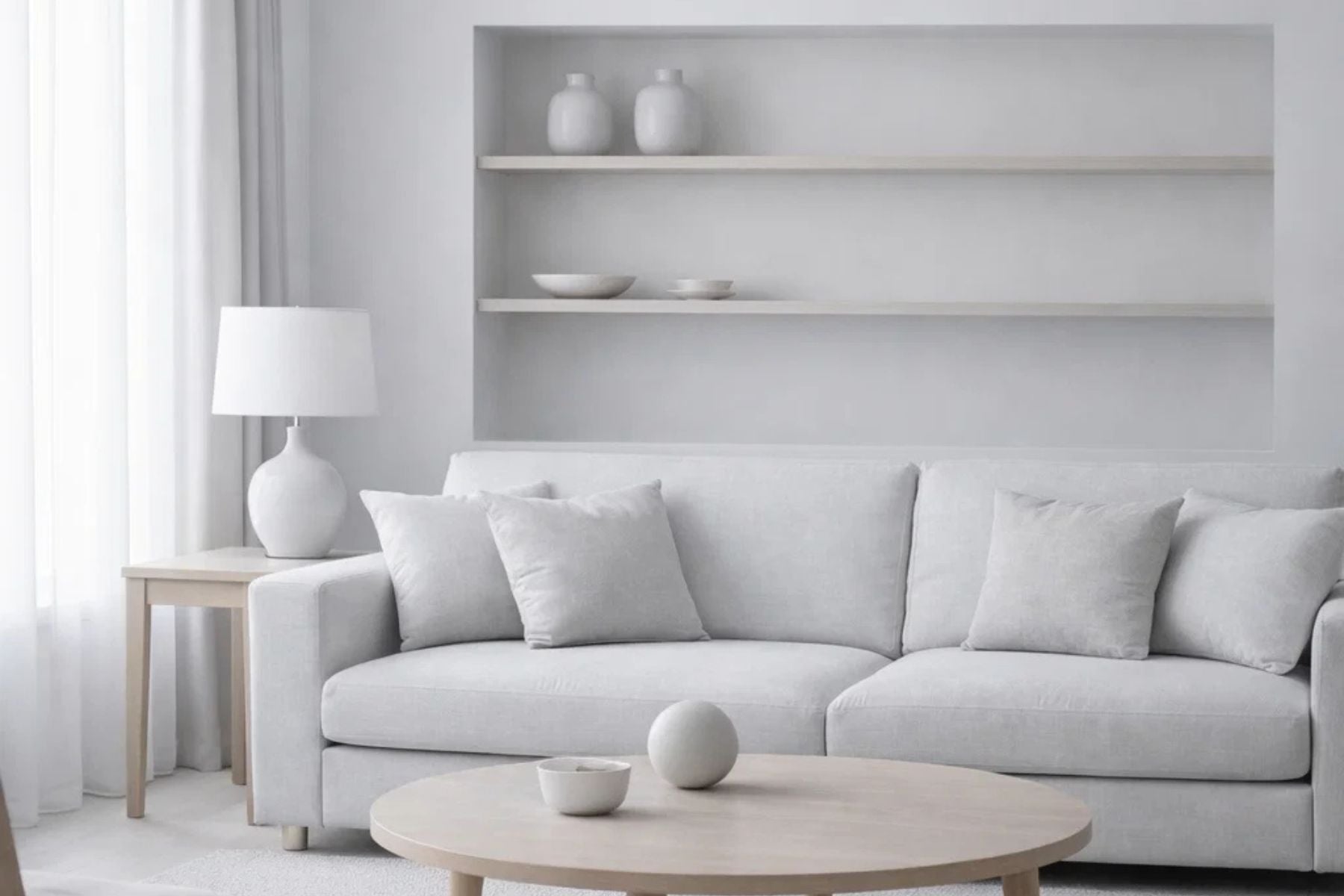
Why a Home Can Look Finished but Still Not Feel Like Yours
Have you ever stepped back and looked at a room in your home and thought,
“This should feel done… so why doesn’t it?”
The furniture is in place.
The colors work together.
Nothing looks out of order.
And yet — something feels missing.
This is one of the most common frustrations I hear from people who care deeply about their homes. And the surprising truth is: it usually isn’t a style problem at all.
It’s a meaning problem.
When “put together” doesn’t equal personal
Many homes today look good on paper.
They follow trends.
They use safe, neutral pieces.
They’re filled with decor that’s designed to work anywhere.
And that’s exactly the issue.
When decor is made to fit every home, it often ends up truly belonging to none.
A room can be clean, coordinated, and visually balanced — yet still feel emotionally flat. Not because anything is wrong, but because nothing in it is saying anything about the people who live there.
The difference between filling space and telling a story
There’s a quiet but important difference between decorating and telling a story.
Decorating focuses on:
- matching colors
- filling shelves
- checking boxes
Storytelling focuses on:
- meaning
- intention
- connection
When a home is filled only with “safe” choices, it may look finished — but it doesn’t feel lived in. It doesn’t reflect identity, memory, or belonging.
And that’s what many people are actually missing when they say their home doesn’t feel right.
Why generic decor leaves homes feeling unfinished
Mass-produced decor is designed to solve one problem:
How can this appeal to as many people as possible?
To do that, it avoids personality.
It avoids specificity.
It avoids story.
Which means when you bring it into your home, it rarely feels like yours. It feels borrowed. Temporary. Replaceable.
Over time, this creates a subtle disconnect — a sense that your home is filled with “things,” but not meaning.
What actually makes a home feel complete
A home starts to feel right when the pieces inside it feel intentional.
That doesn’t mean every item needs to be bold or sentimental. It means that at least some of what you see every day reflects:
- who you are
- what you value
- the life you’re building
Pieces with real materials.
Objects chosen with thought.
Details that feel connected to you, not a trend cycle.
When those elements are present, even a simple space can feel warm, grounded, and complete.
One question to ask before adding anything new
Before bringing something new into your home, try asking:
“Does this add meaning — or just fill space?”
If it adds meaning, it will likely stand the test of time.
If it only fills space, it often becomes something you stop noticing… or eventually replace.
That single question can quietly change how your home feels, piece by piece.
A home should feel like you
Your home doesn’t need more stuff.
It needs more intention.
When decor reflects your story — even in small ways — your space stops feeling generic and starts feeling grounded. Comfortable. Personal.
That’s when a house becomes a home.
And that’s the difference between a space that looks finished
and one that truly feels like yours.
A quiet note from Rustic Brook Farm
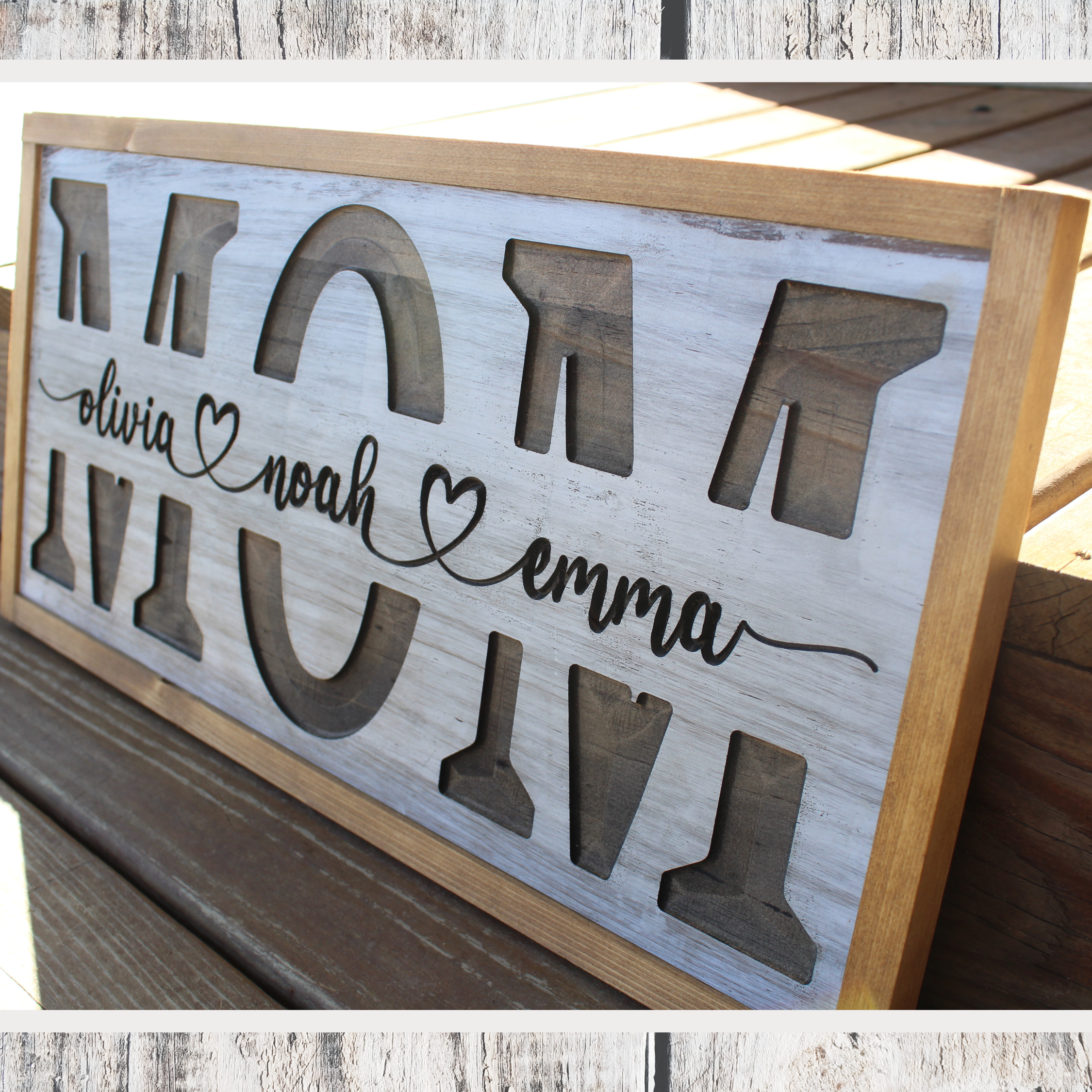
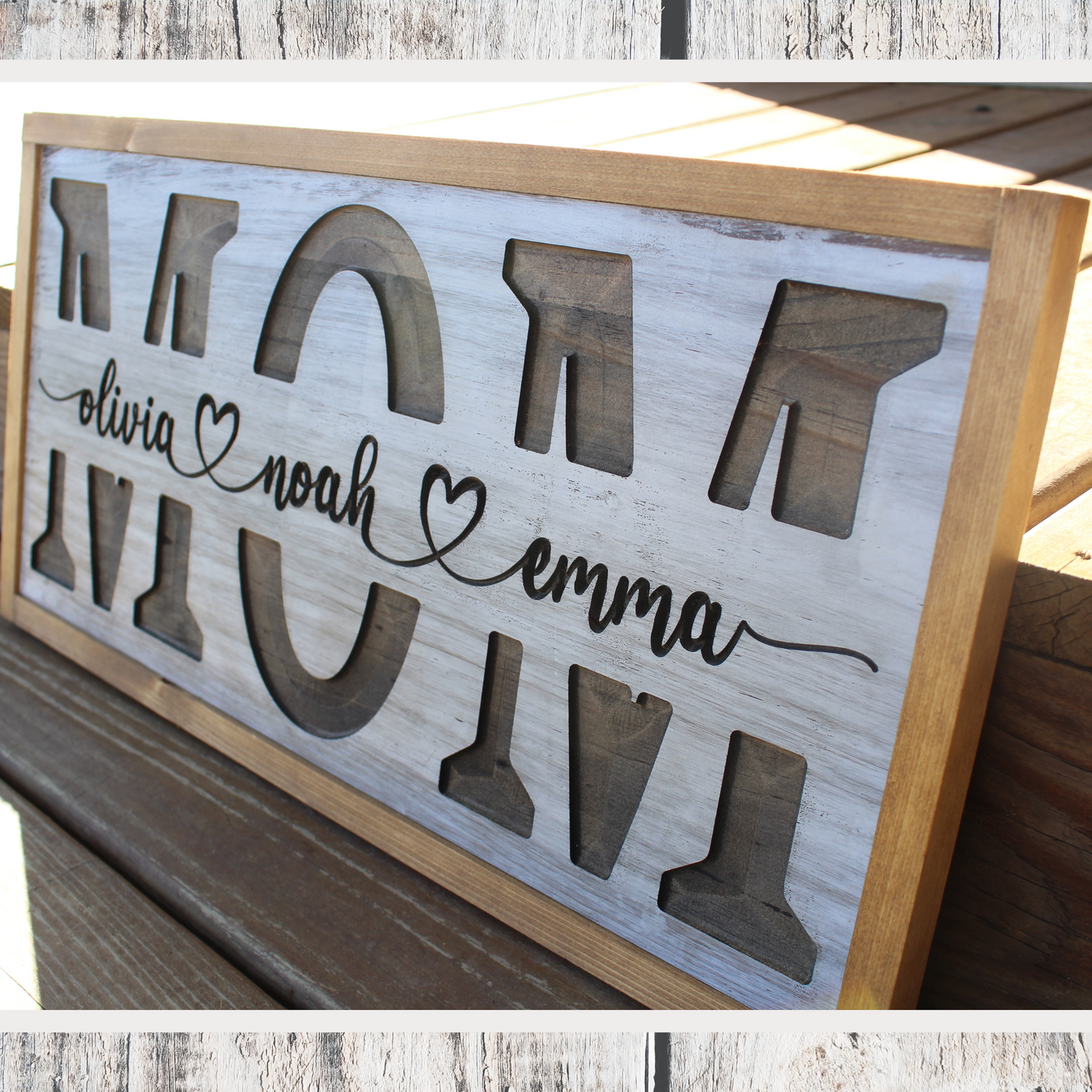
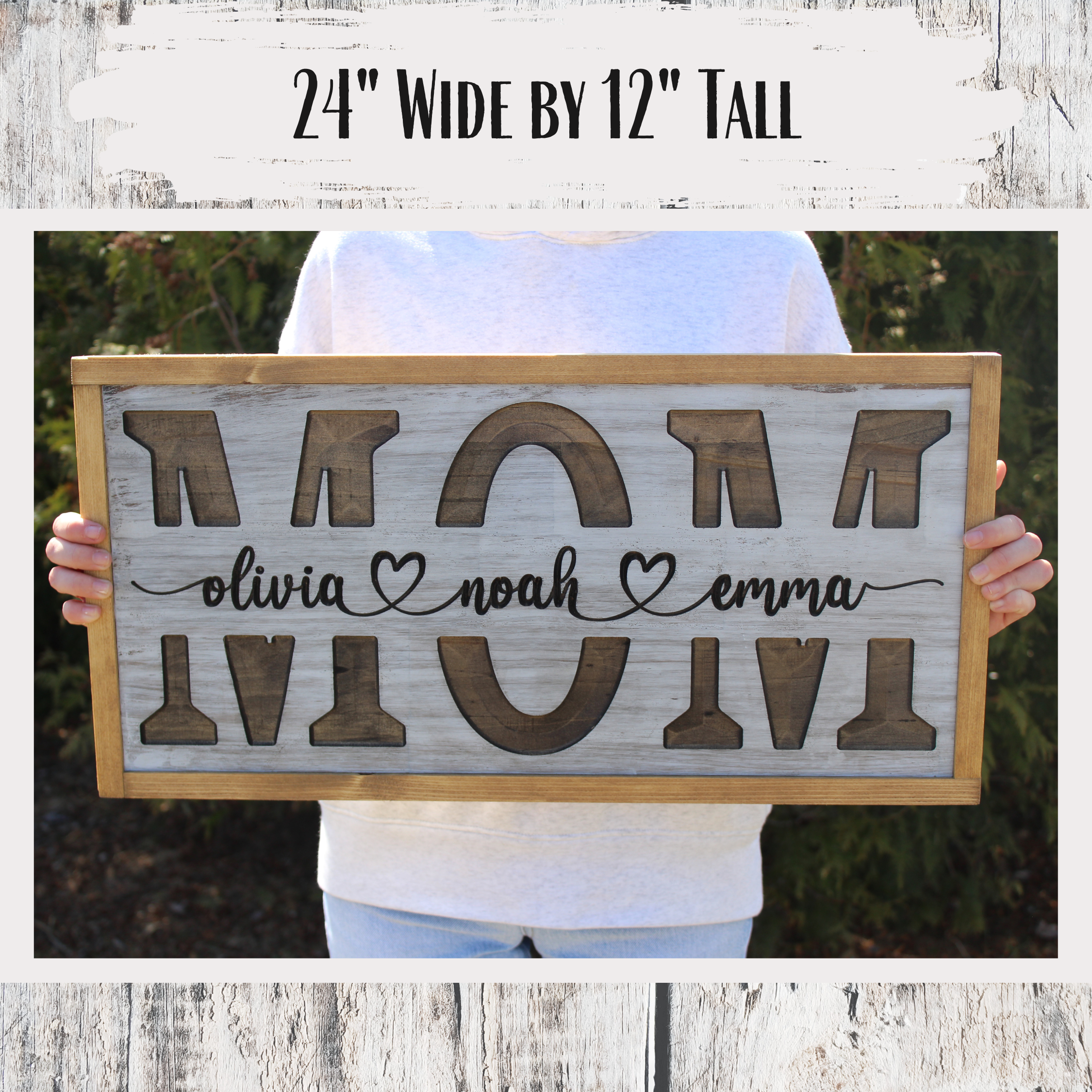
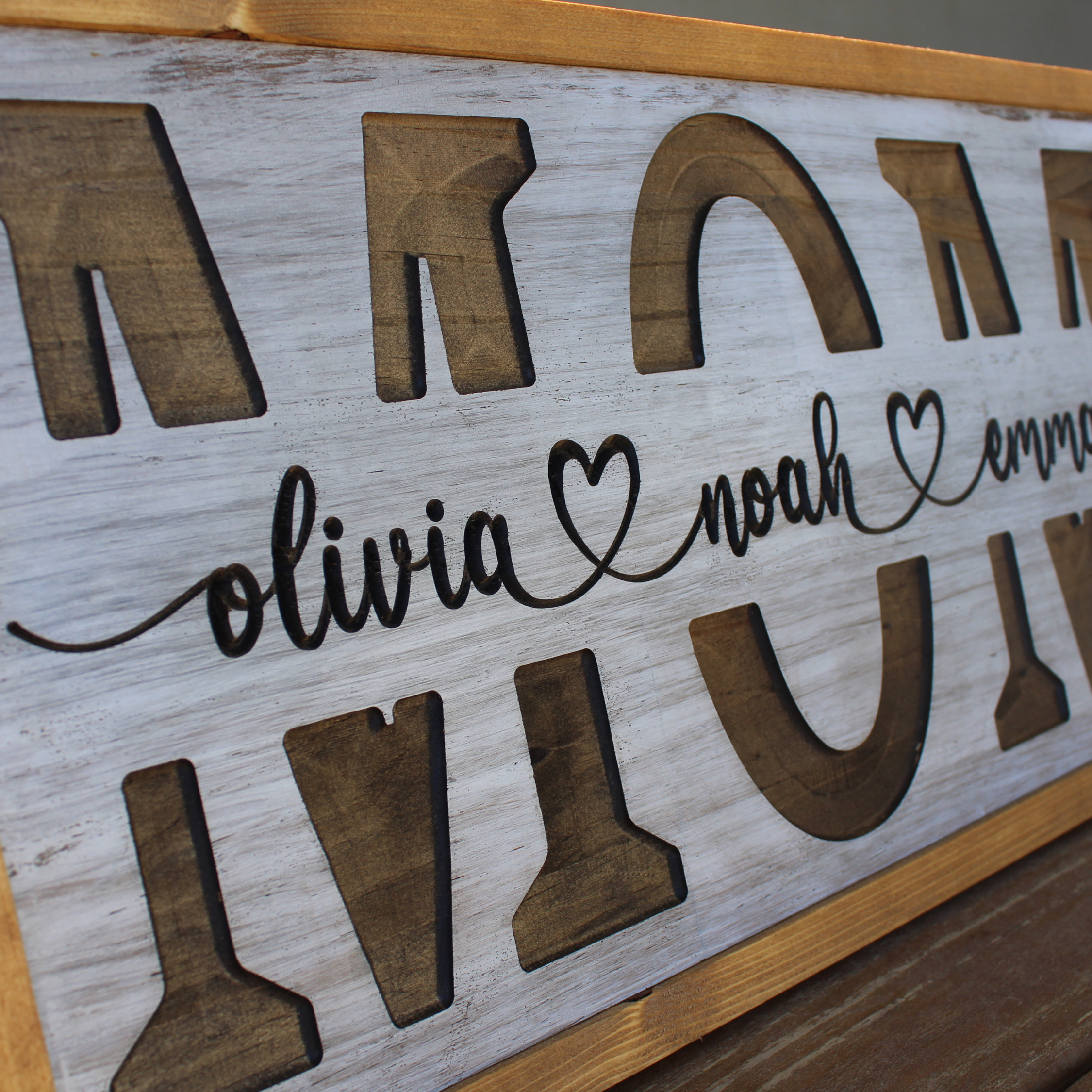
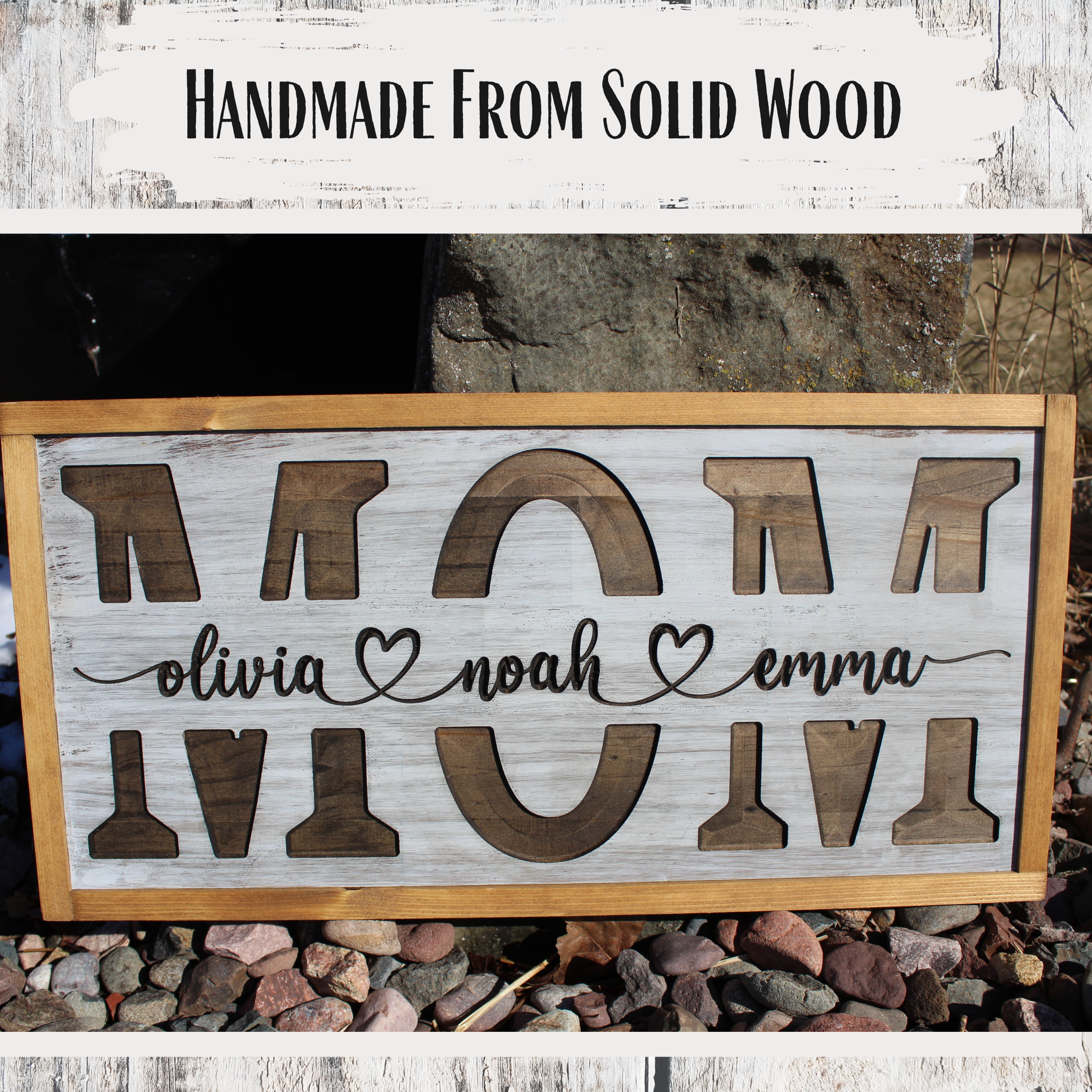
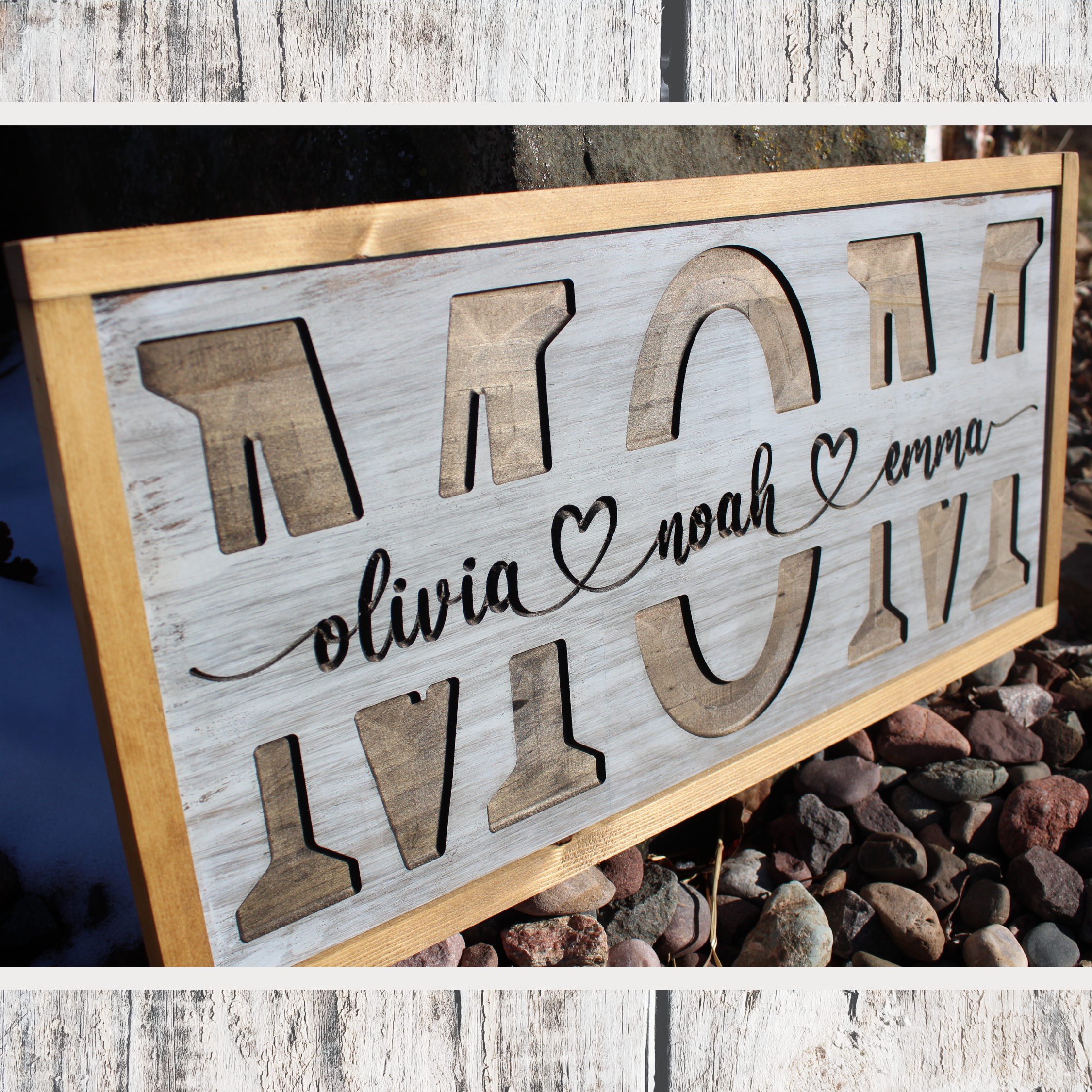
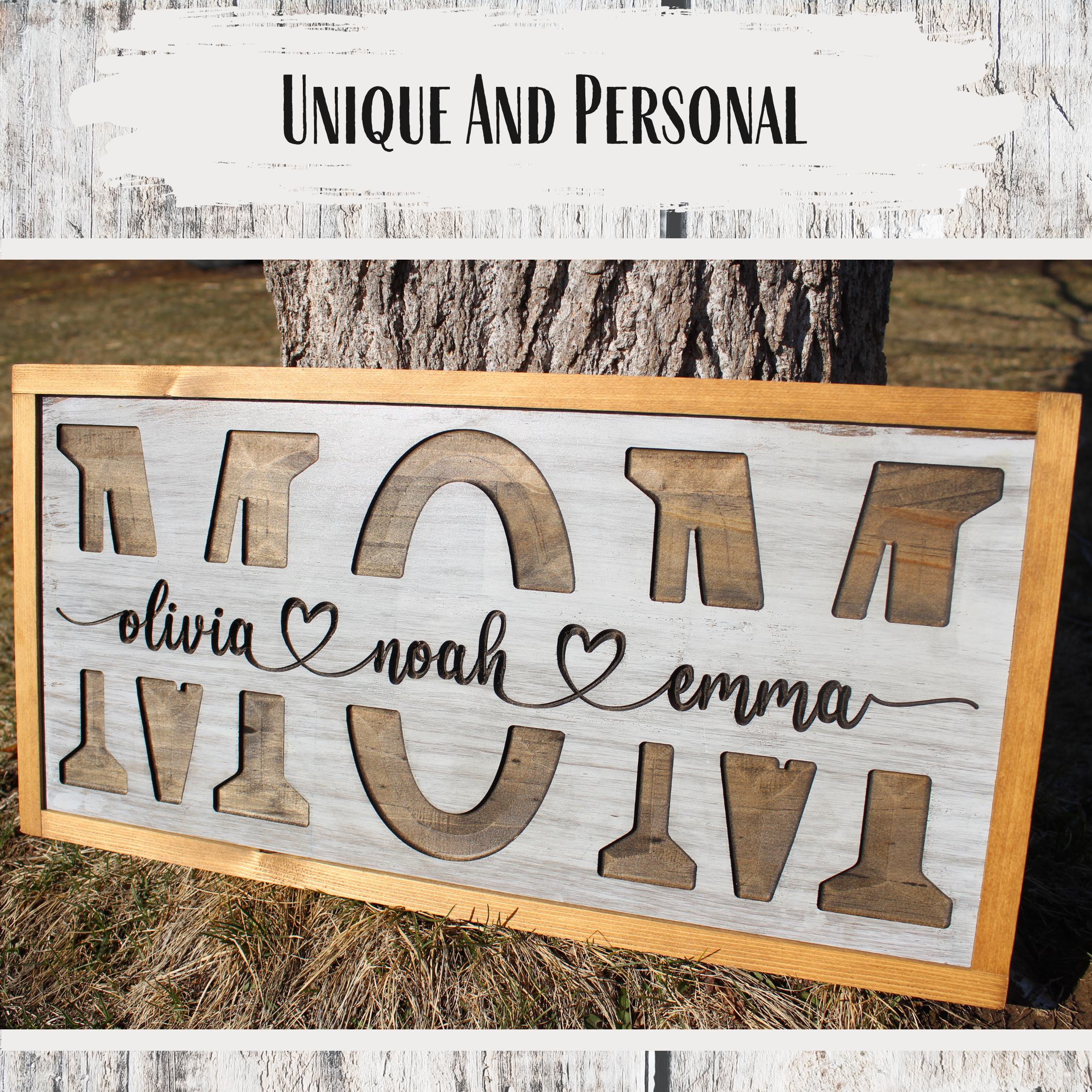
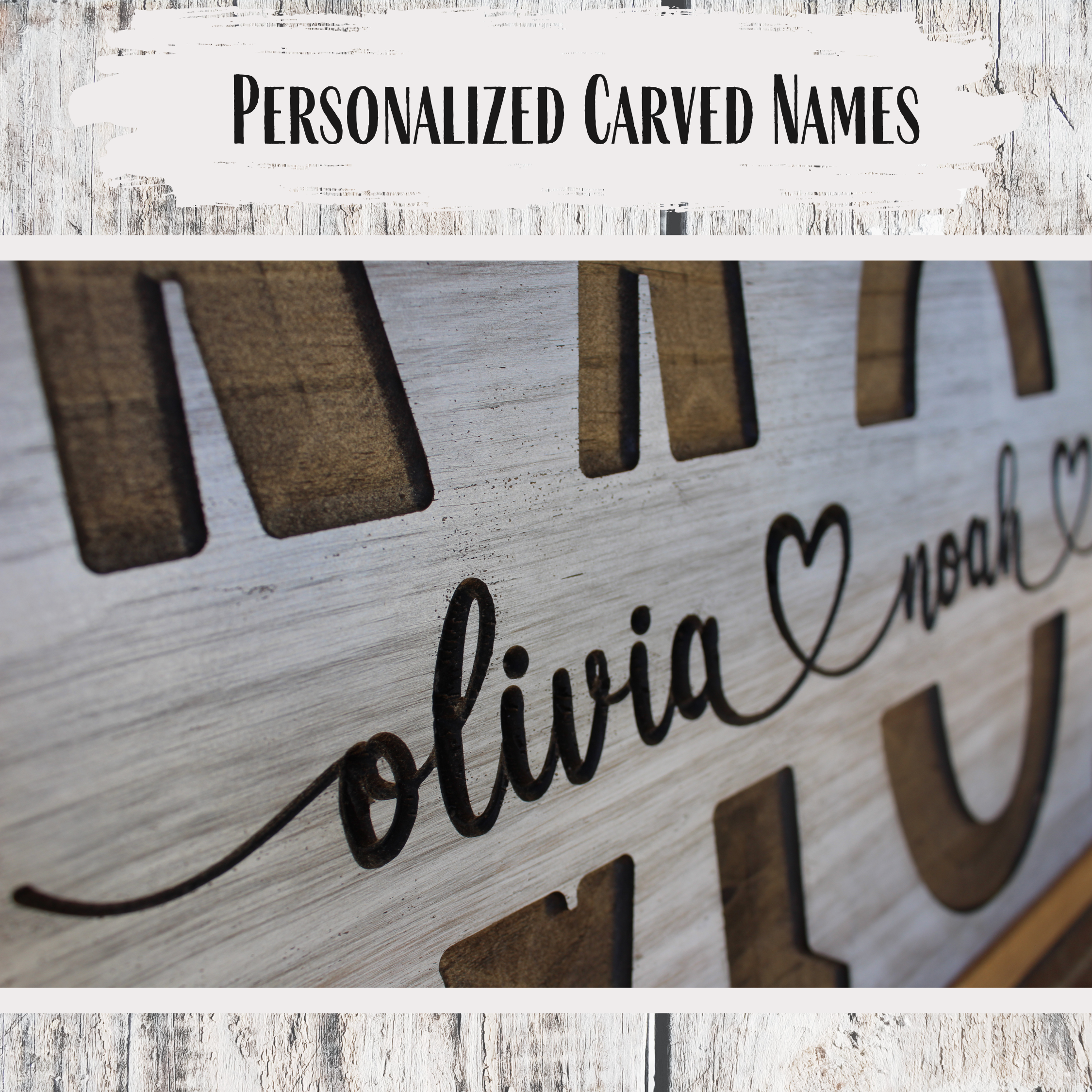
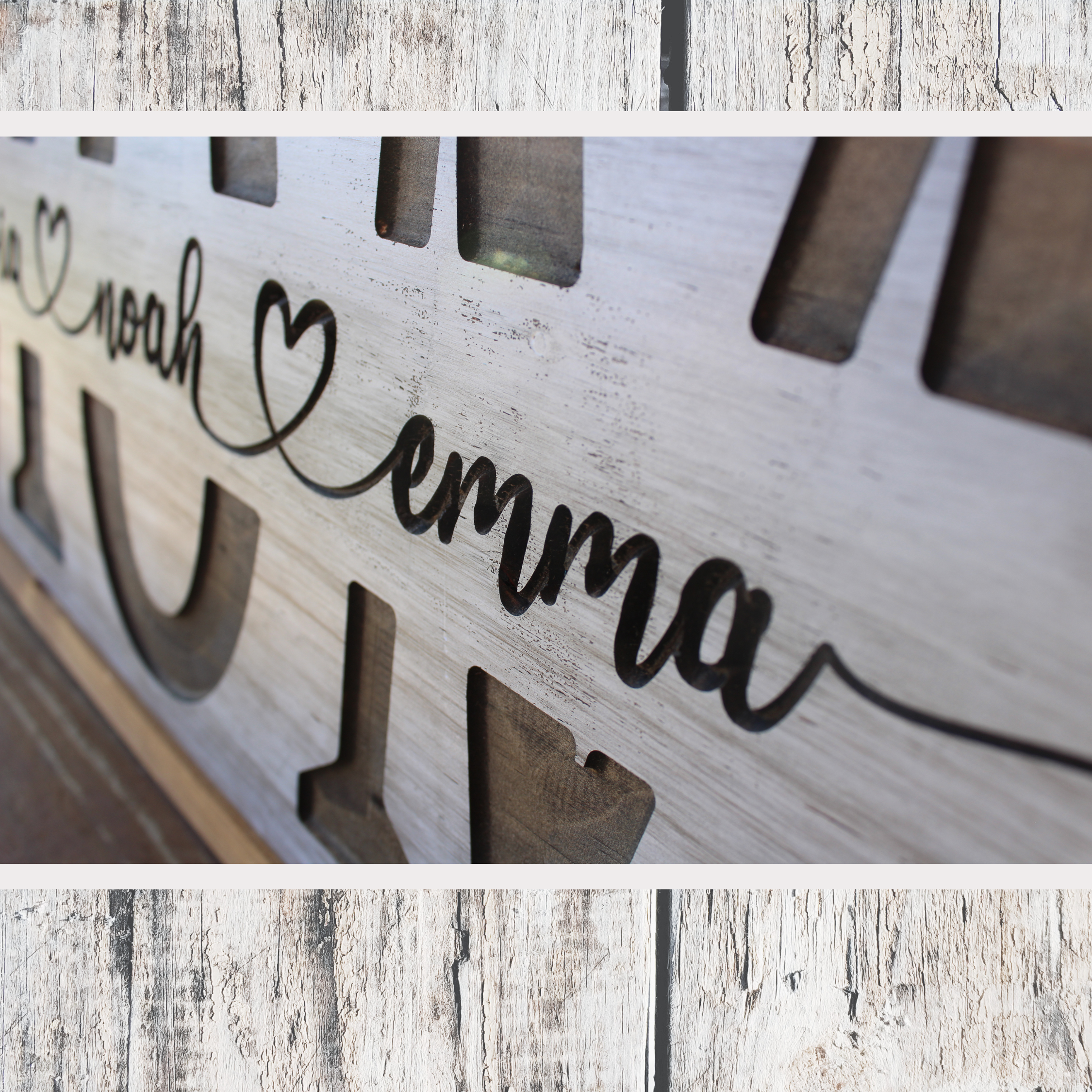
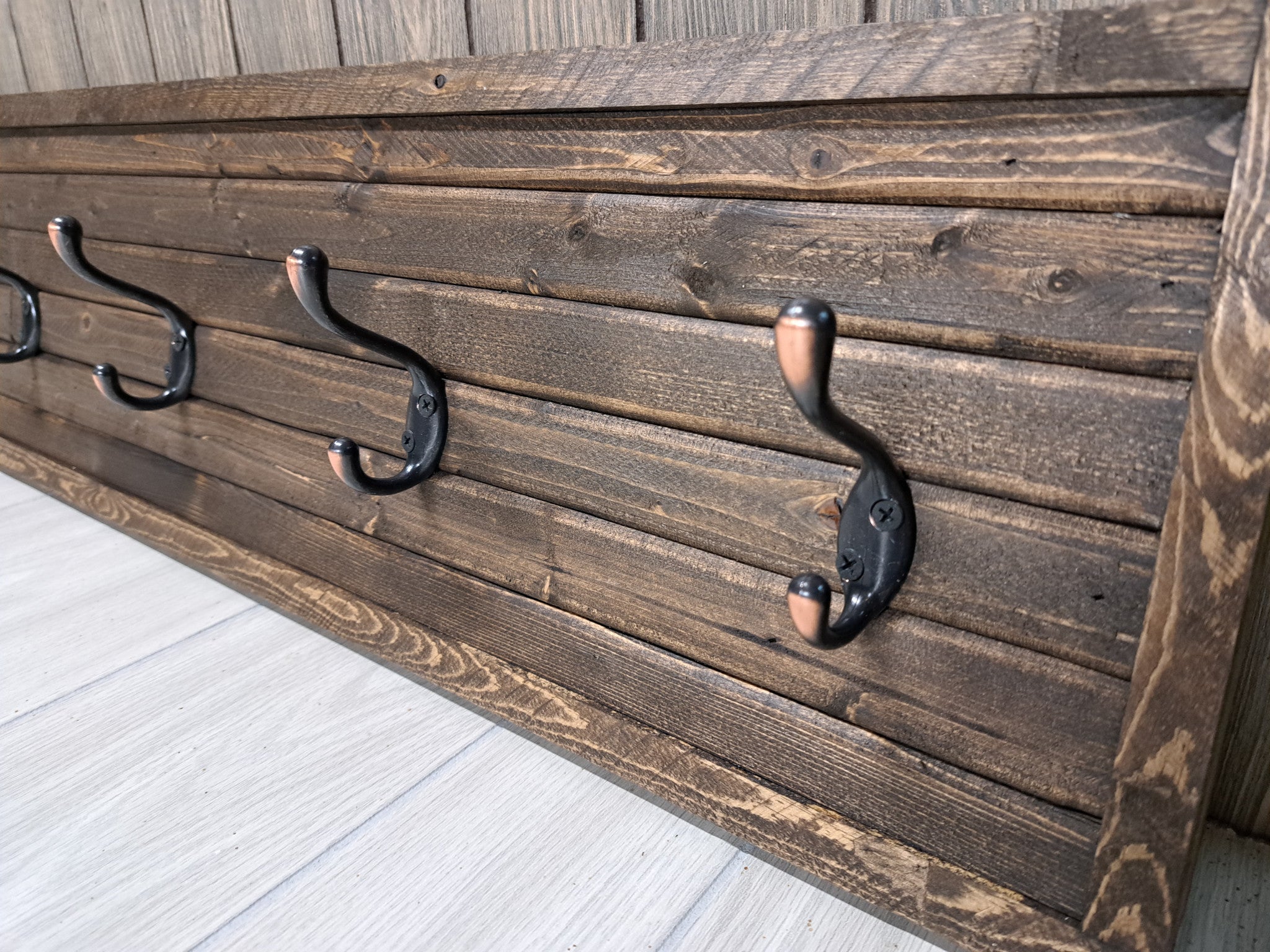
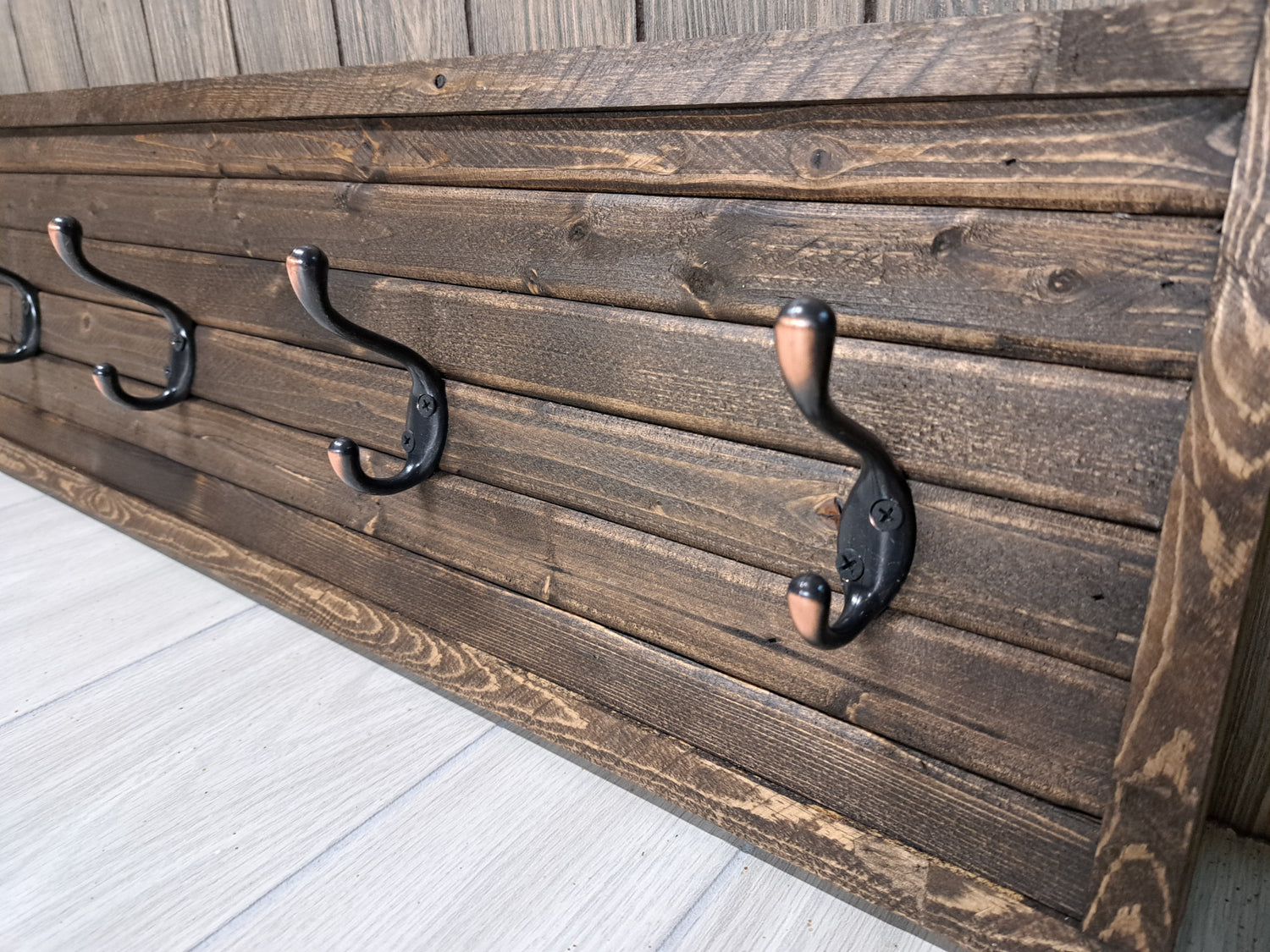
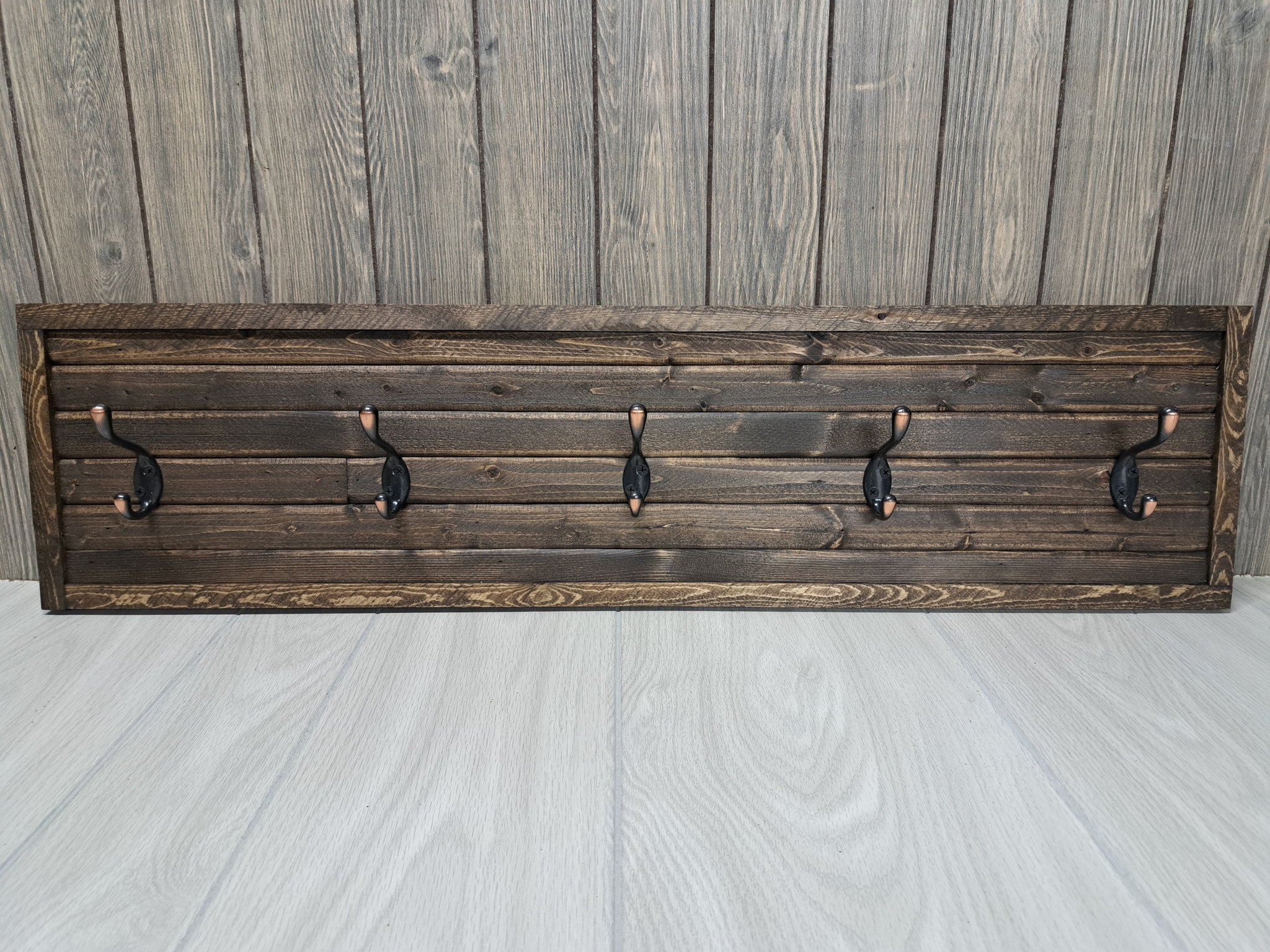
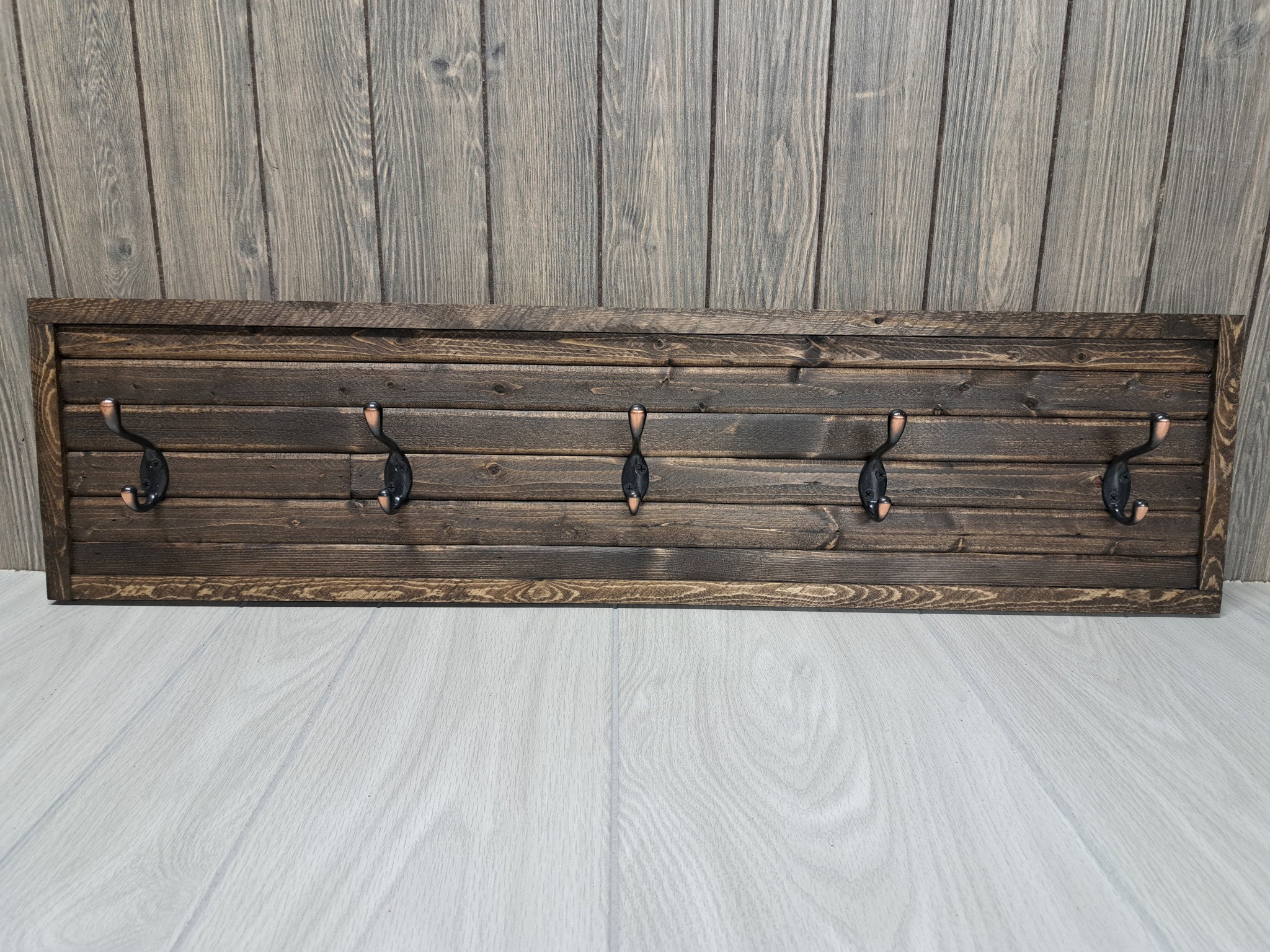
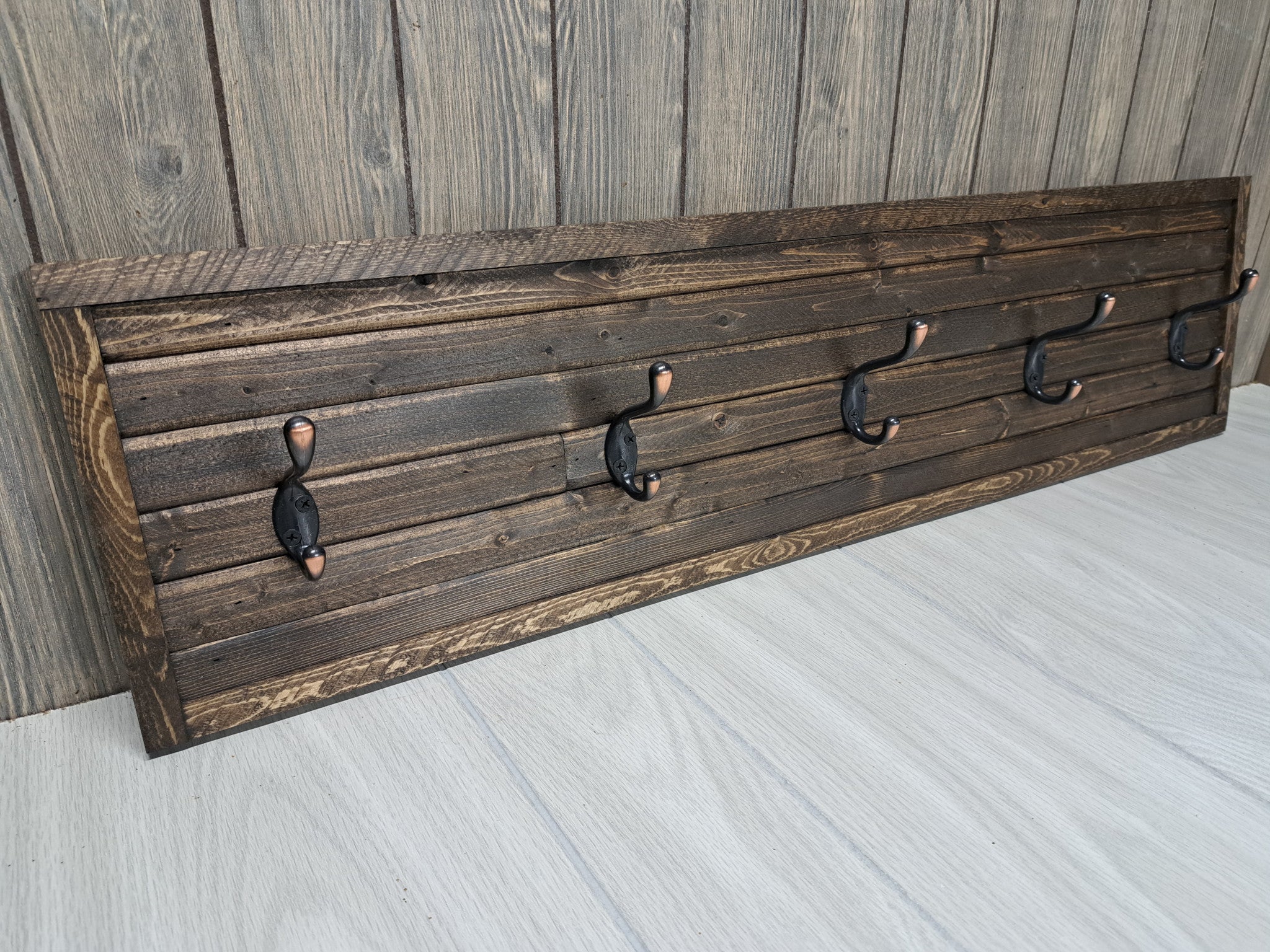
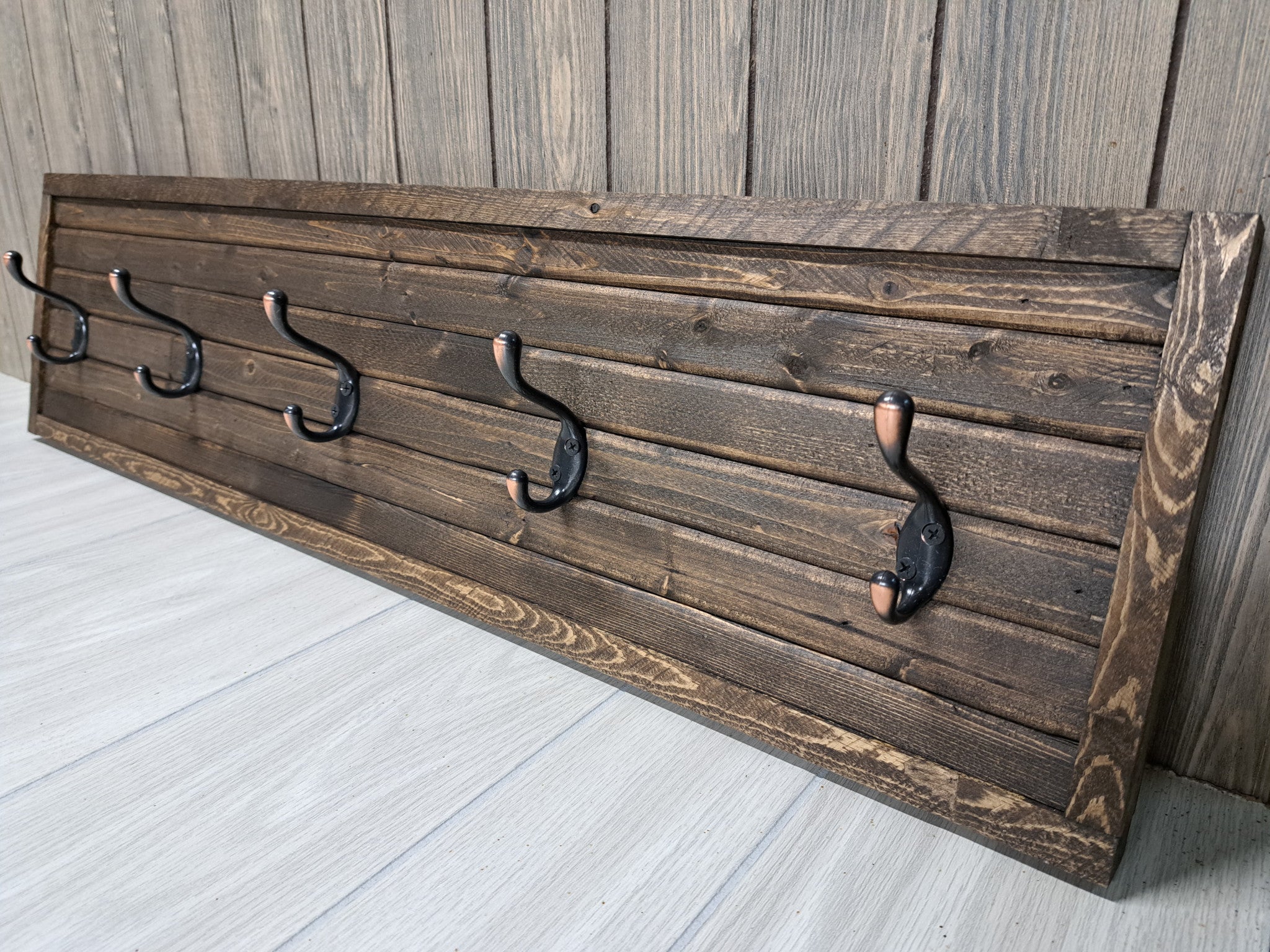
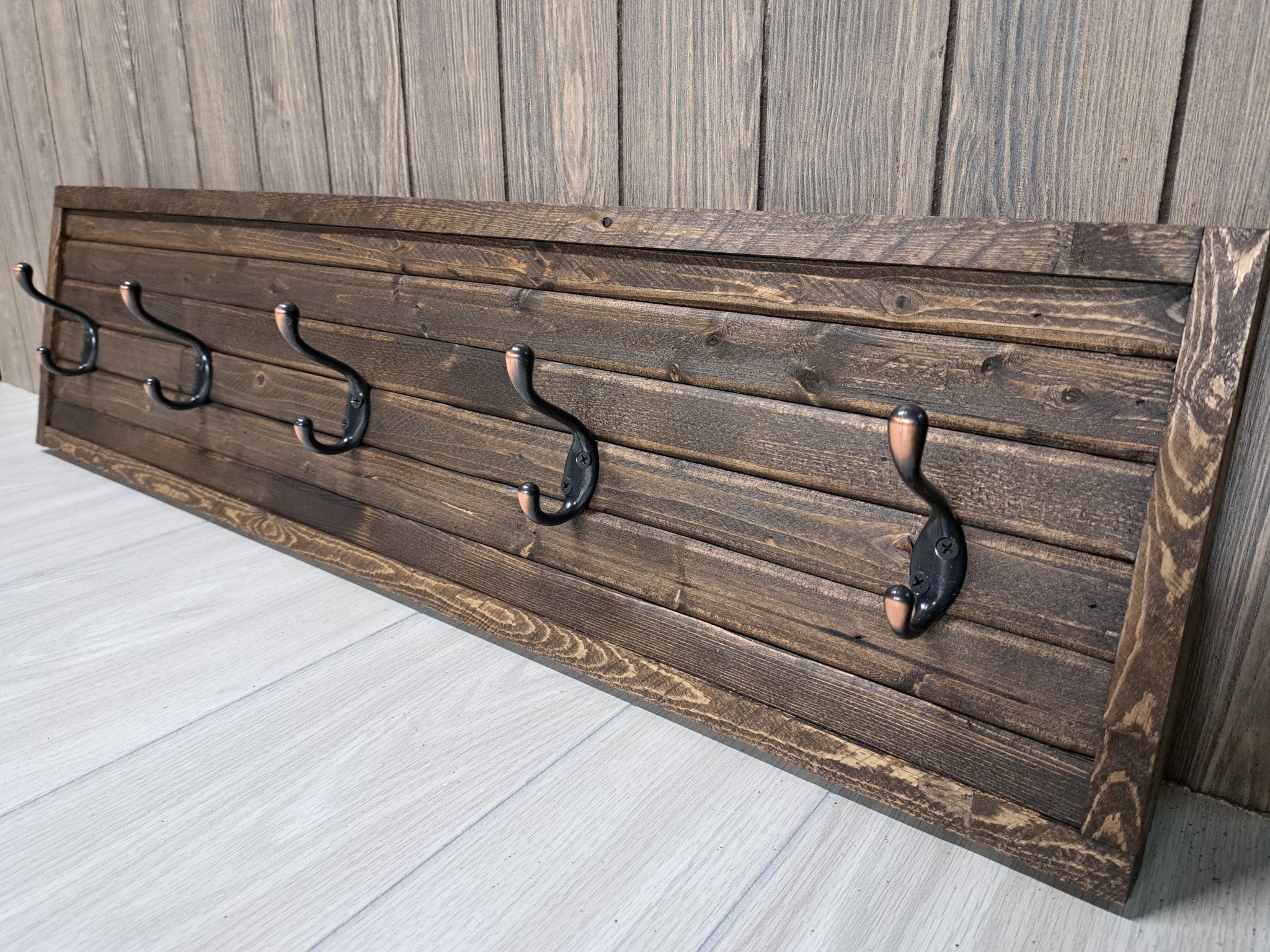
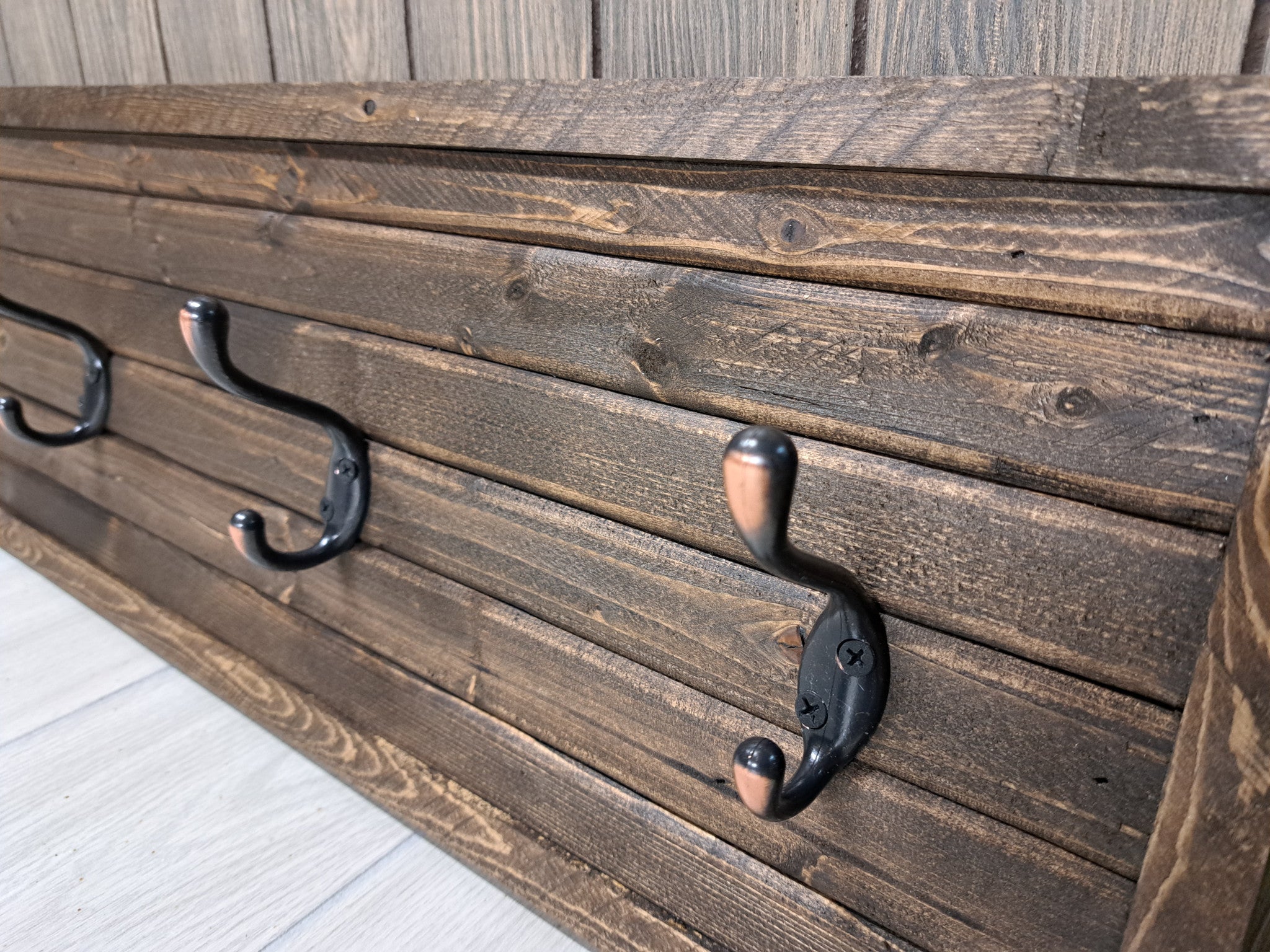
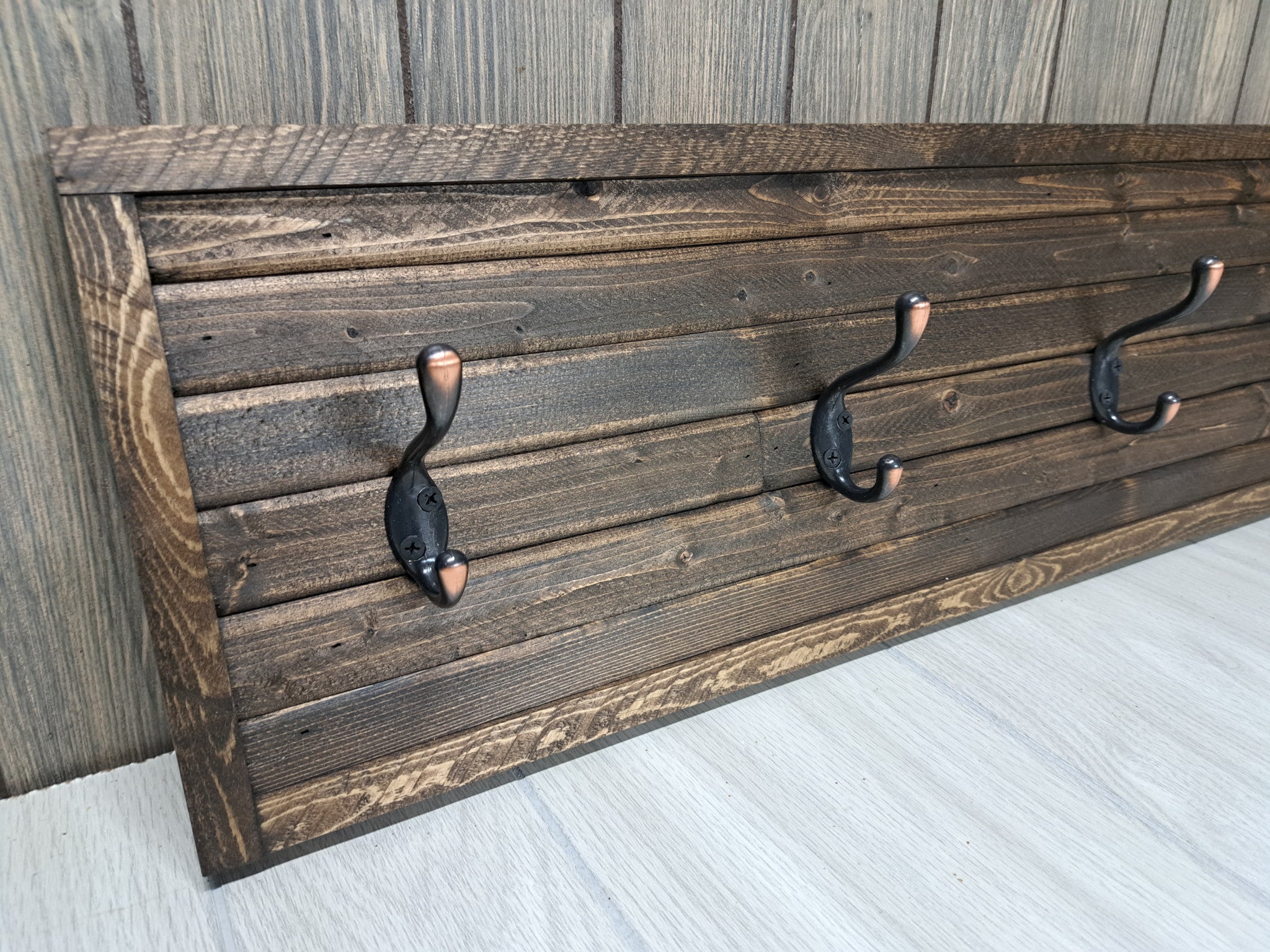
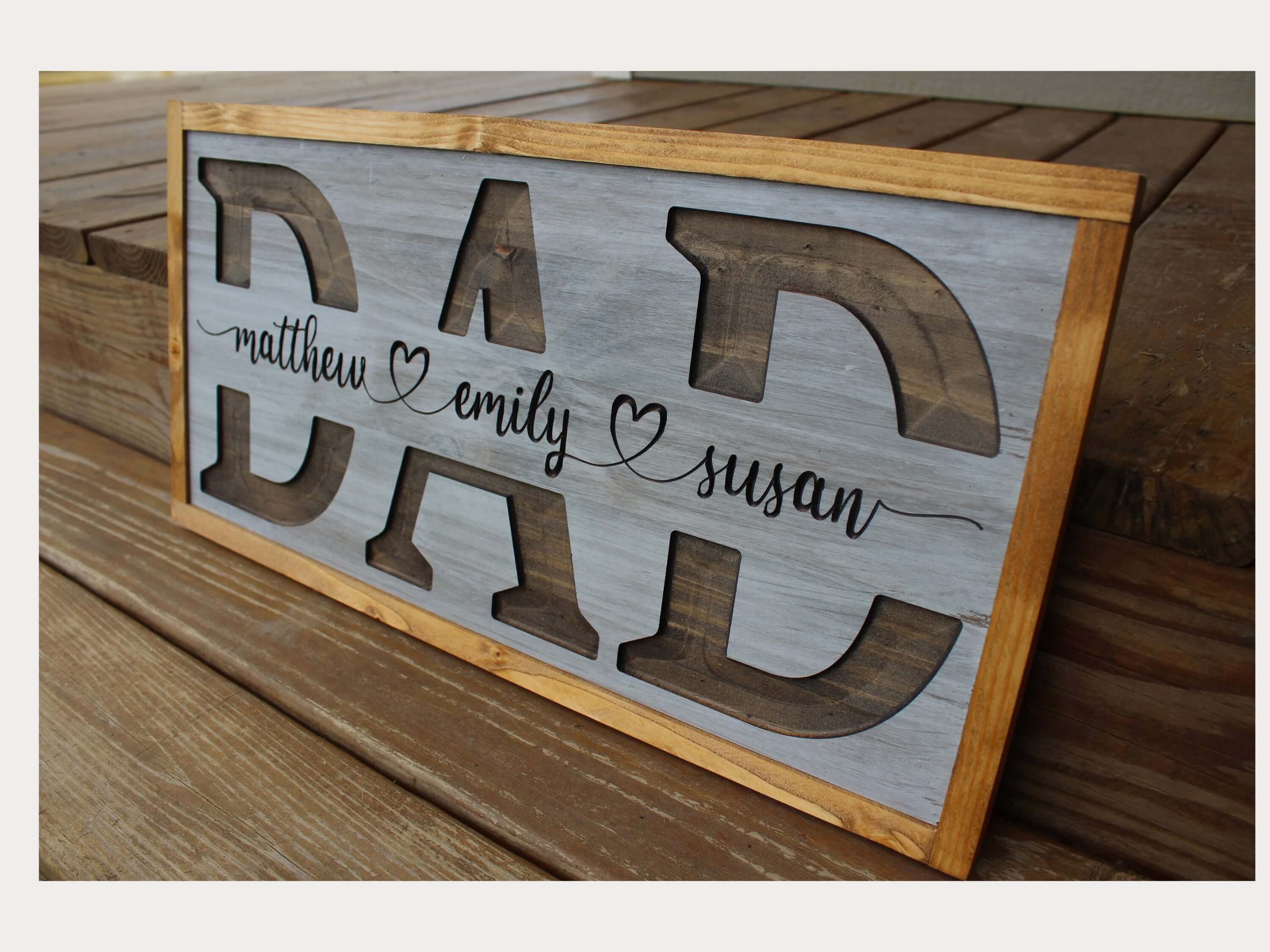
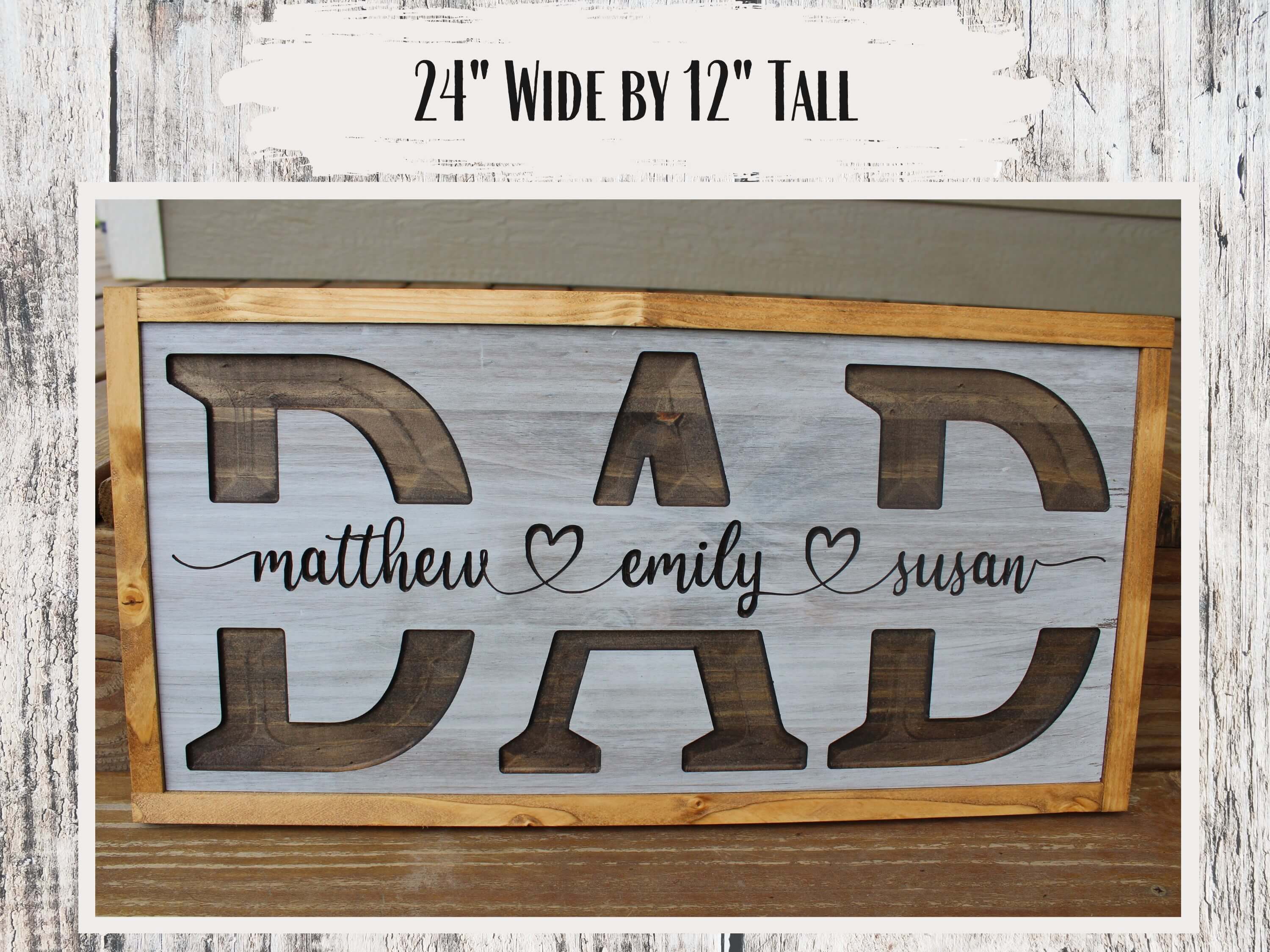
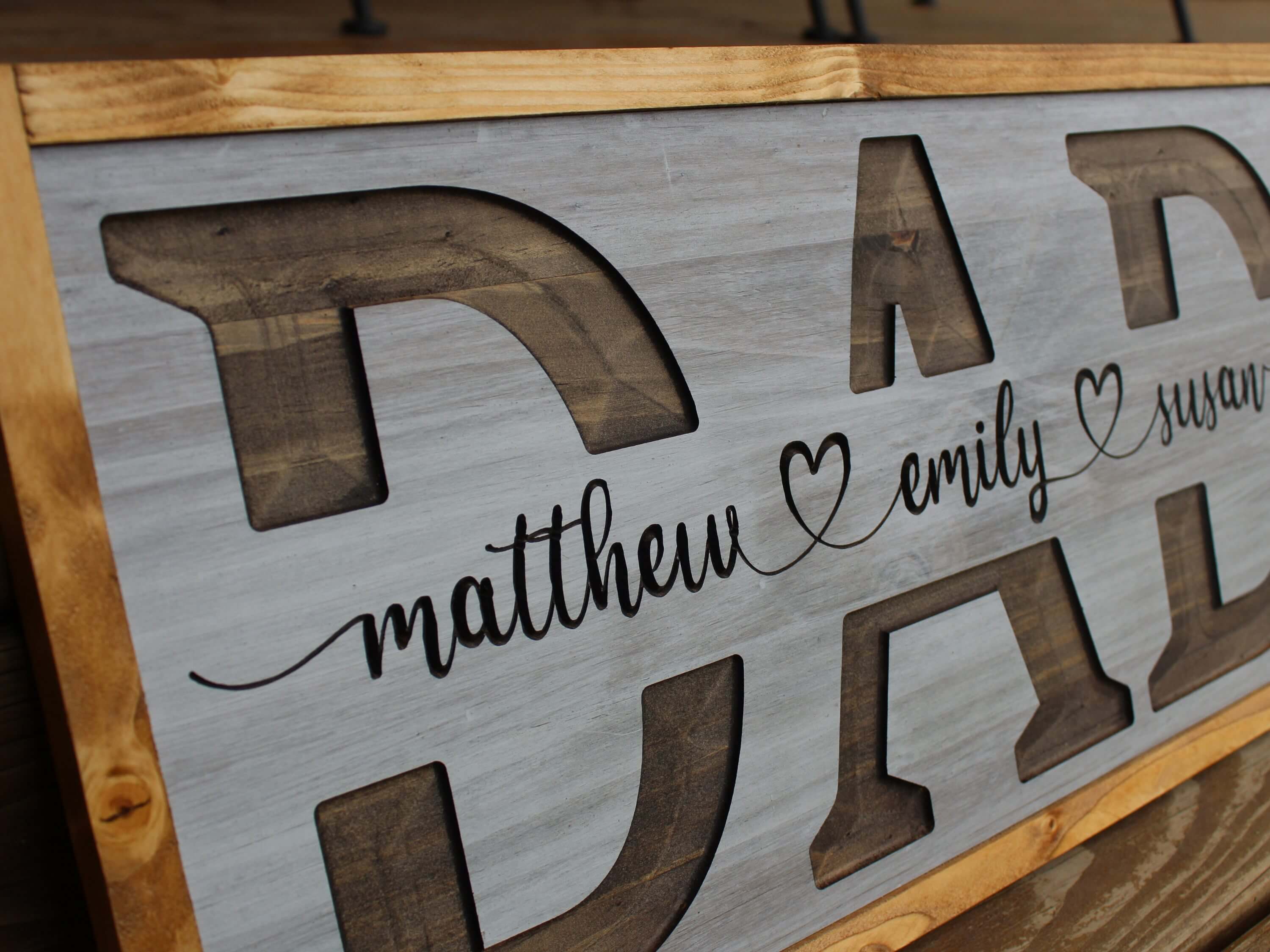
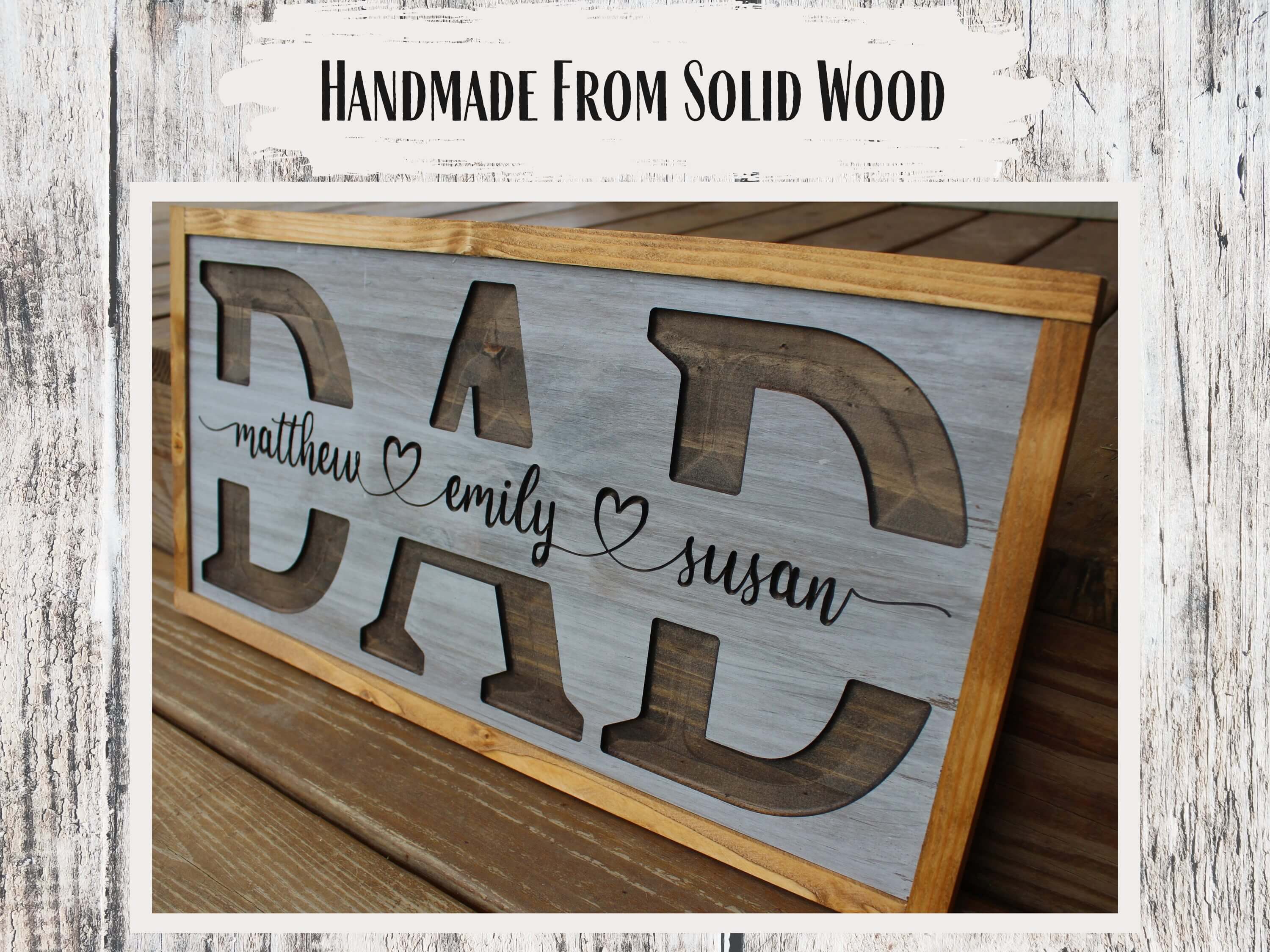
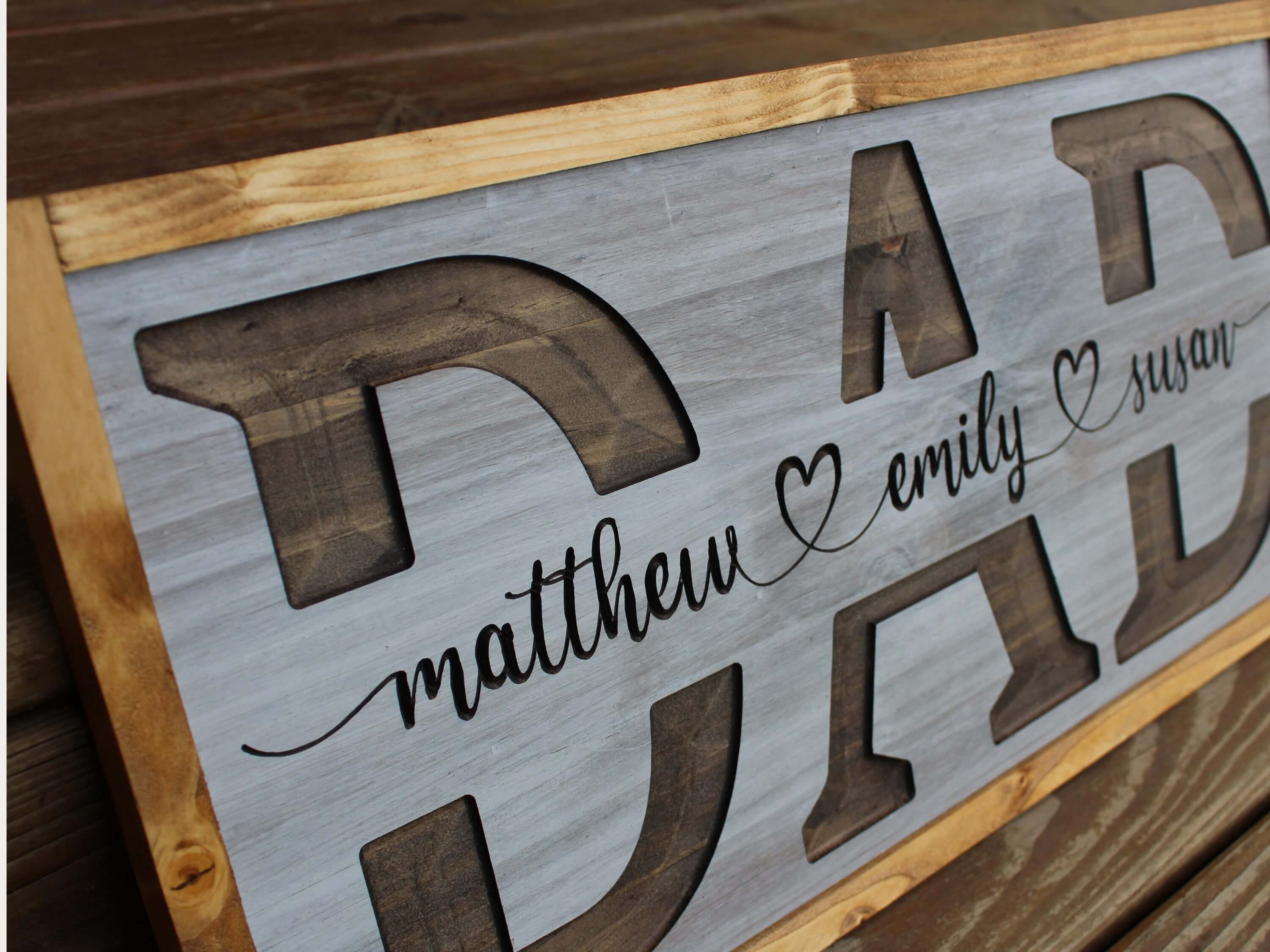
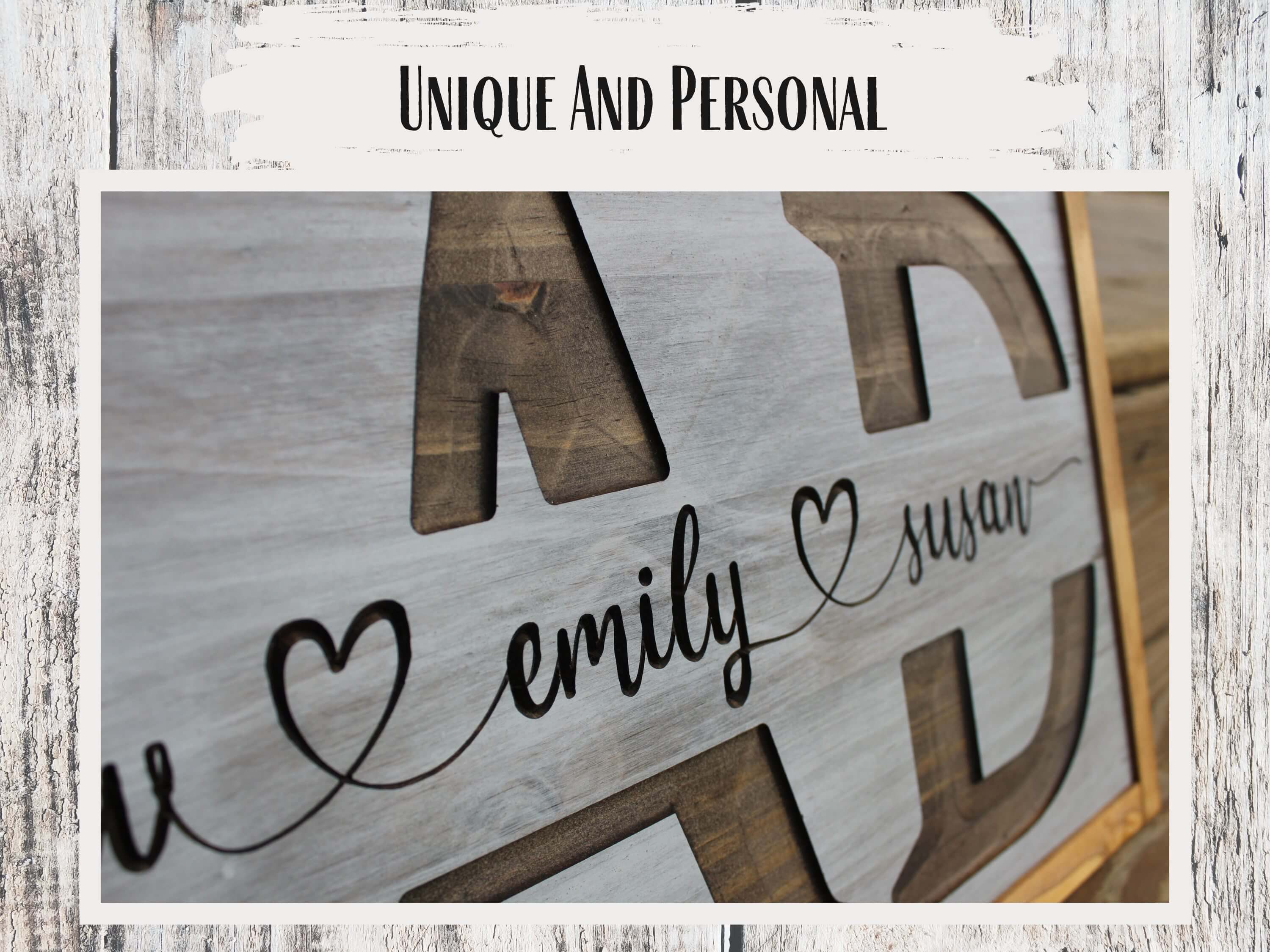
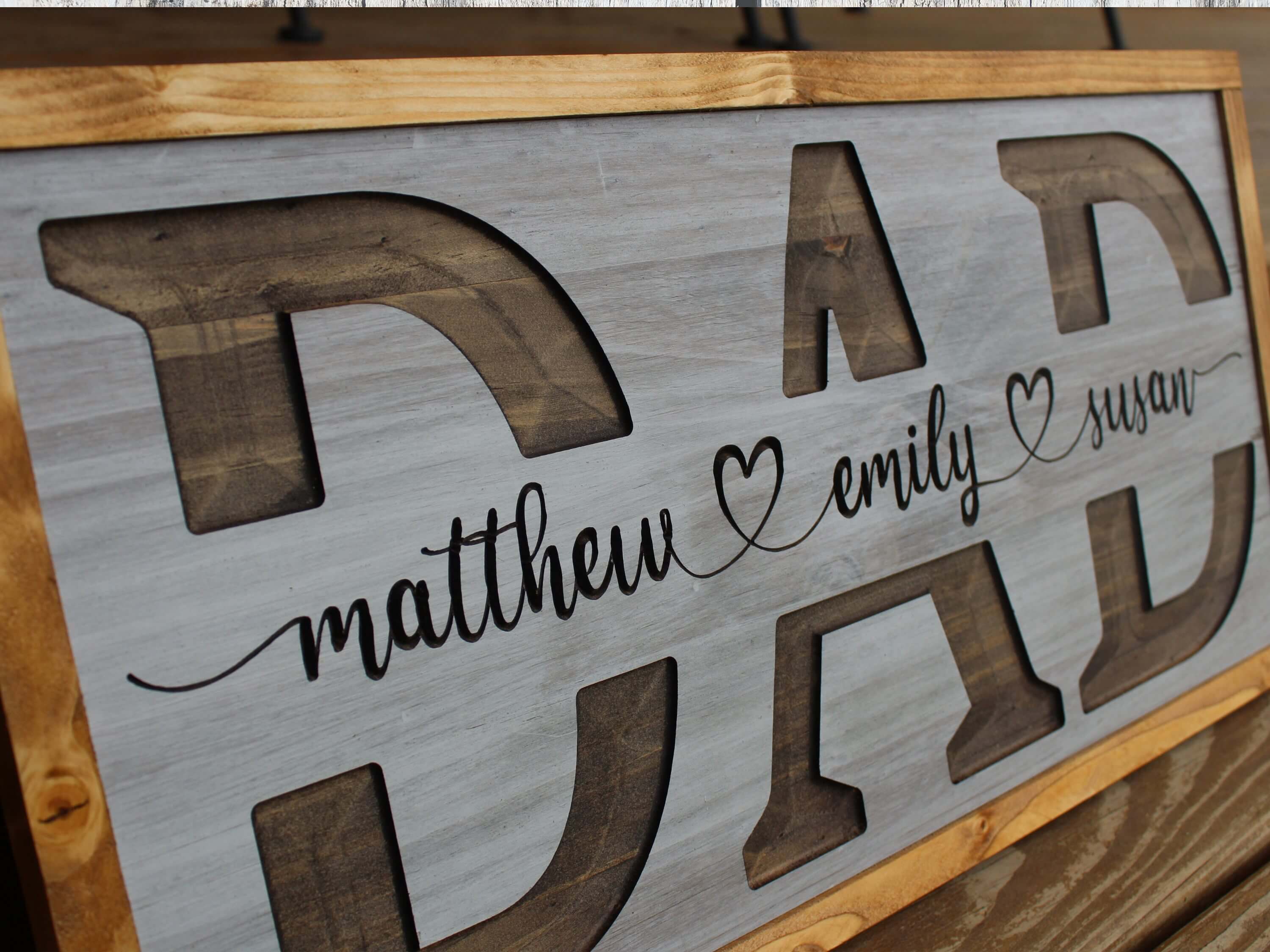
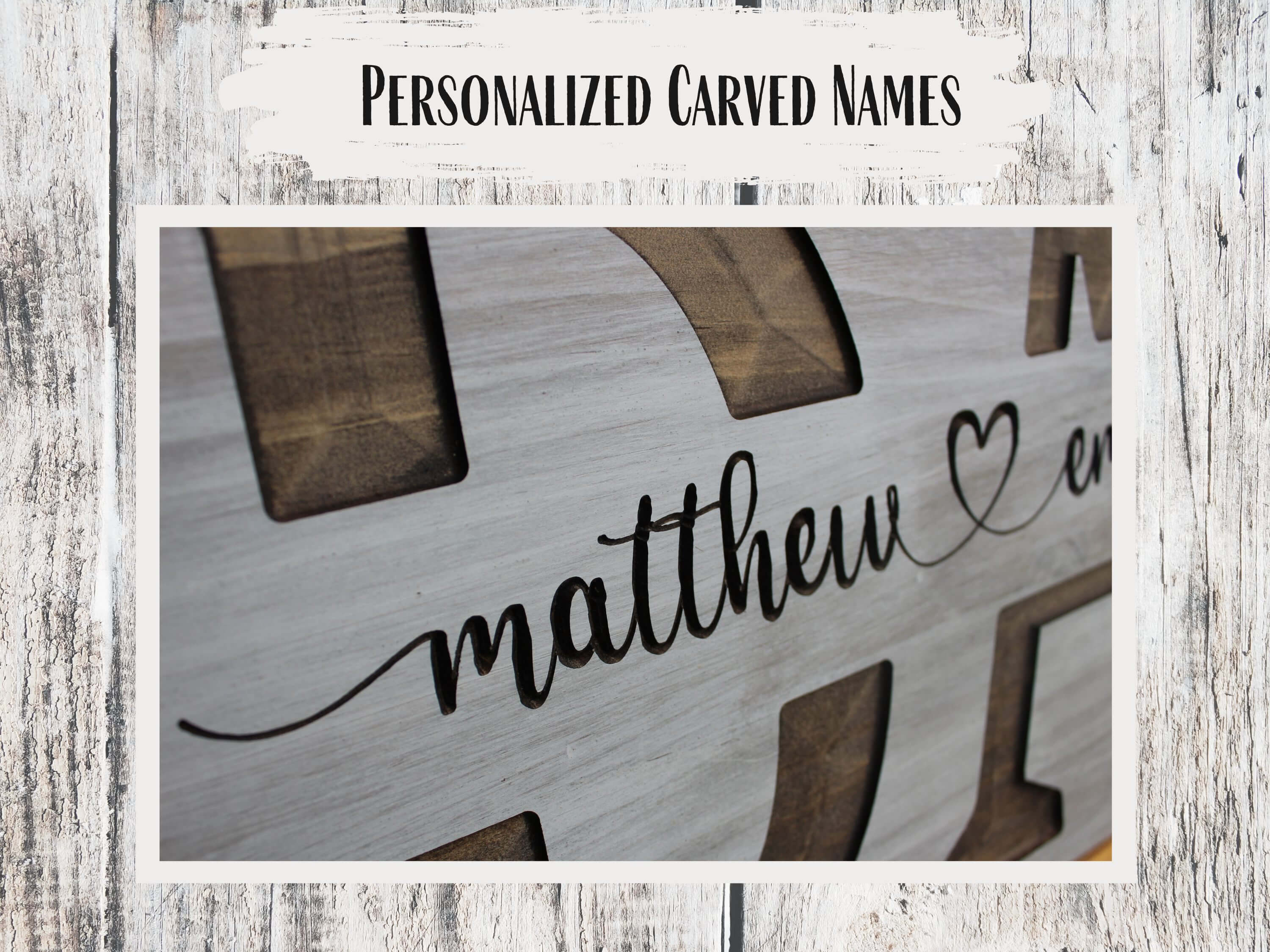
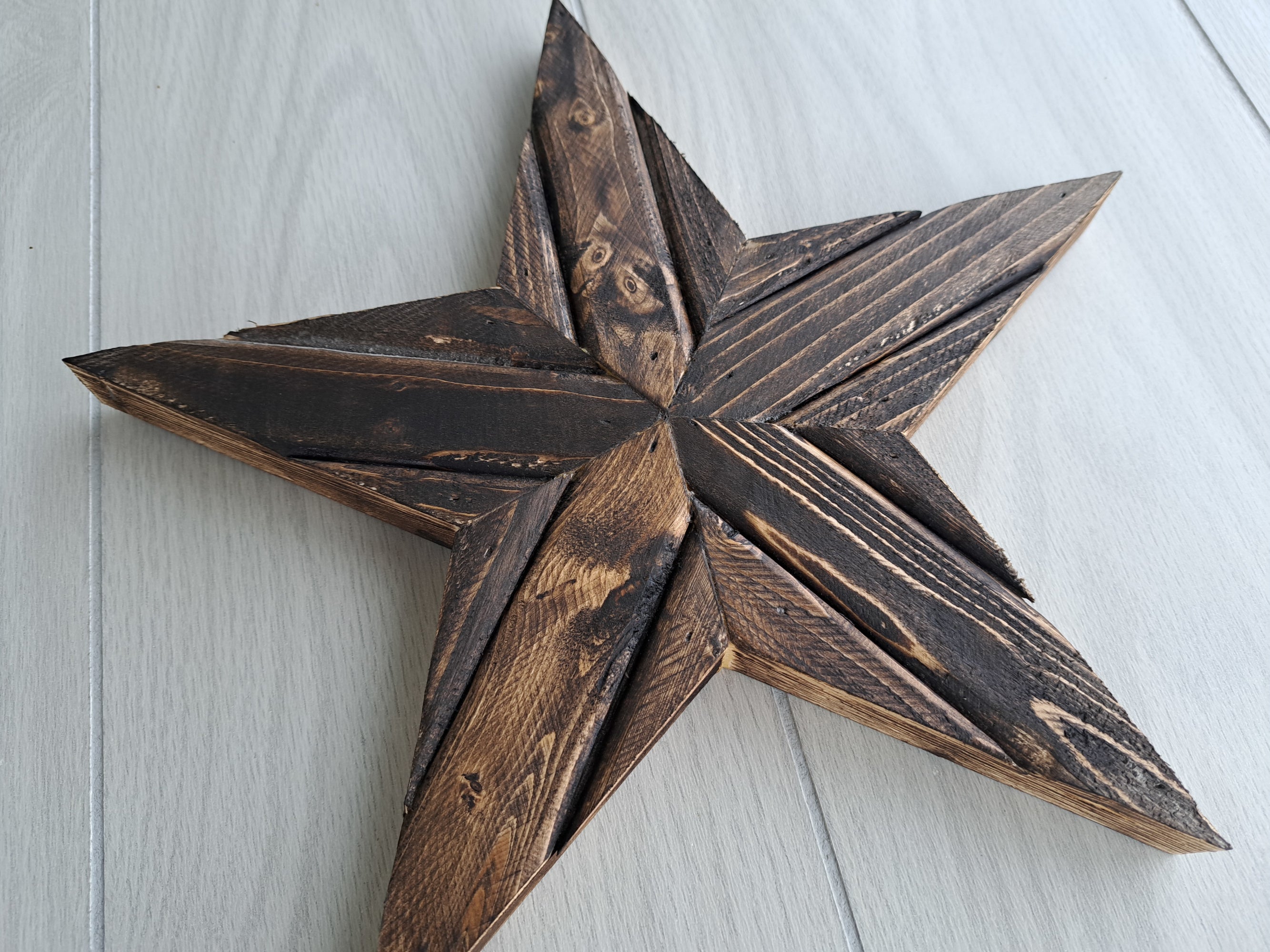
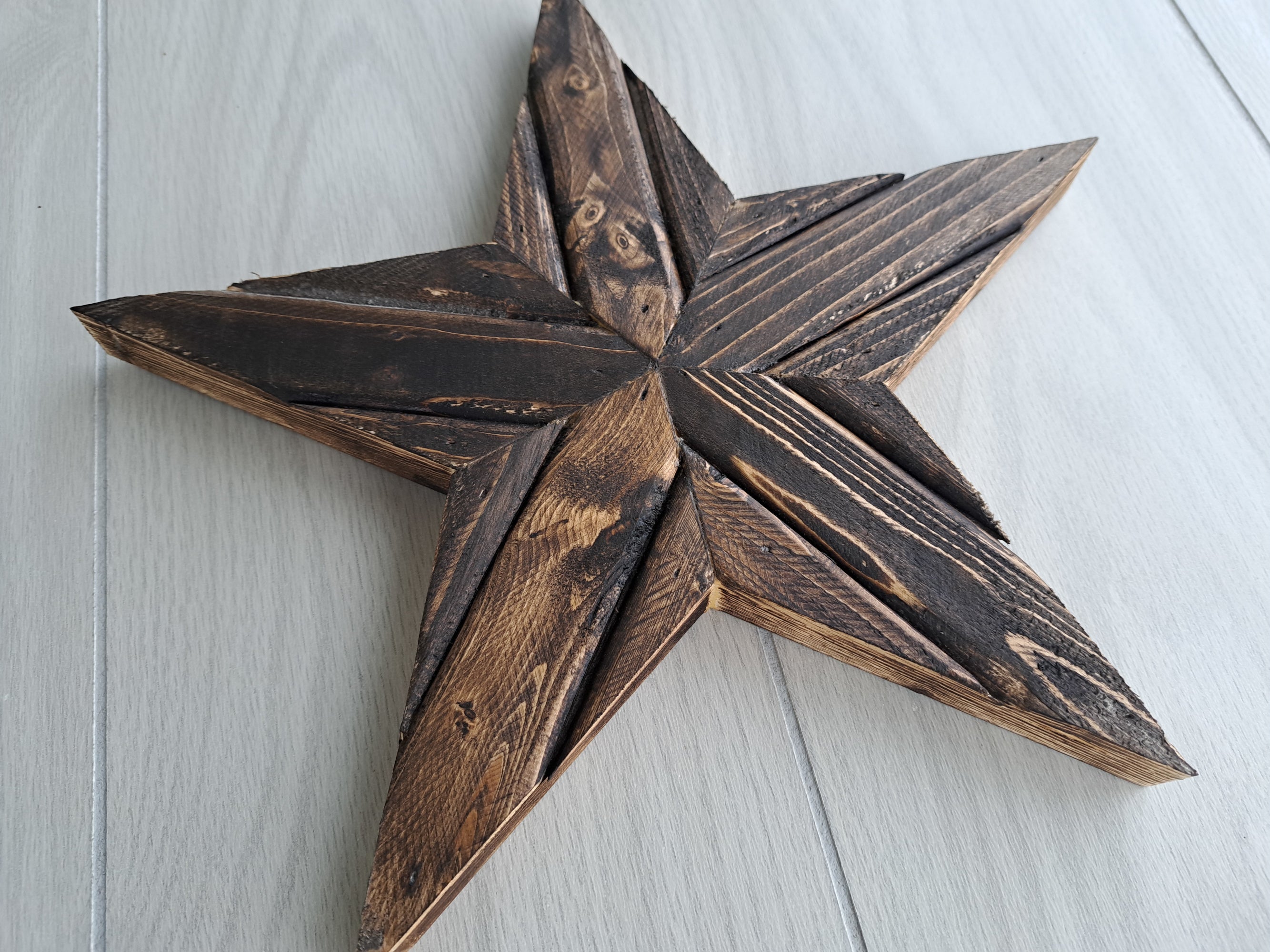
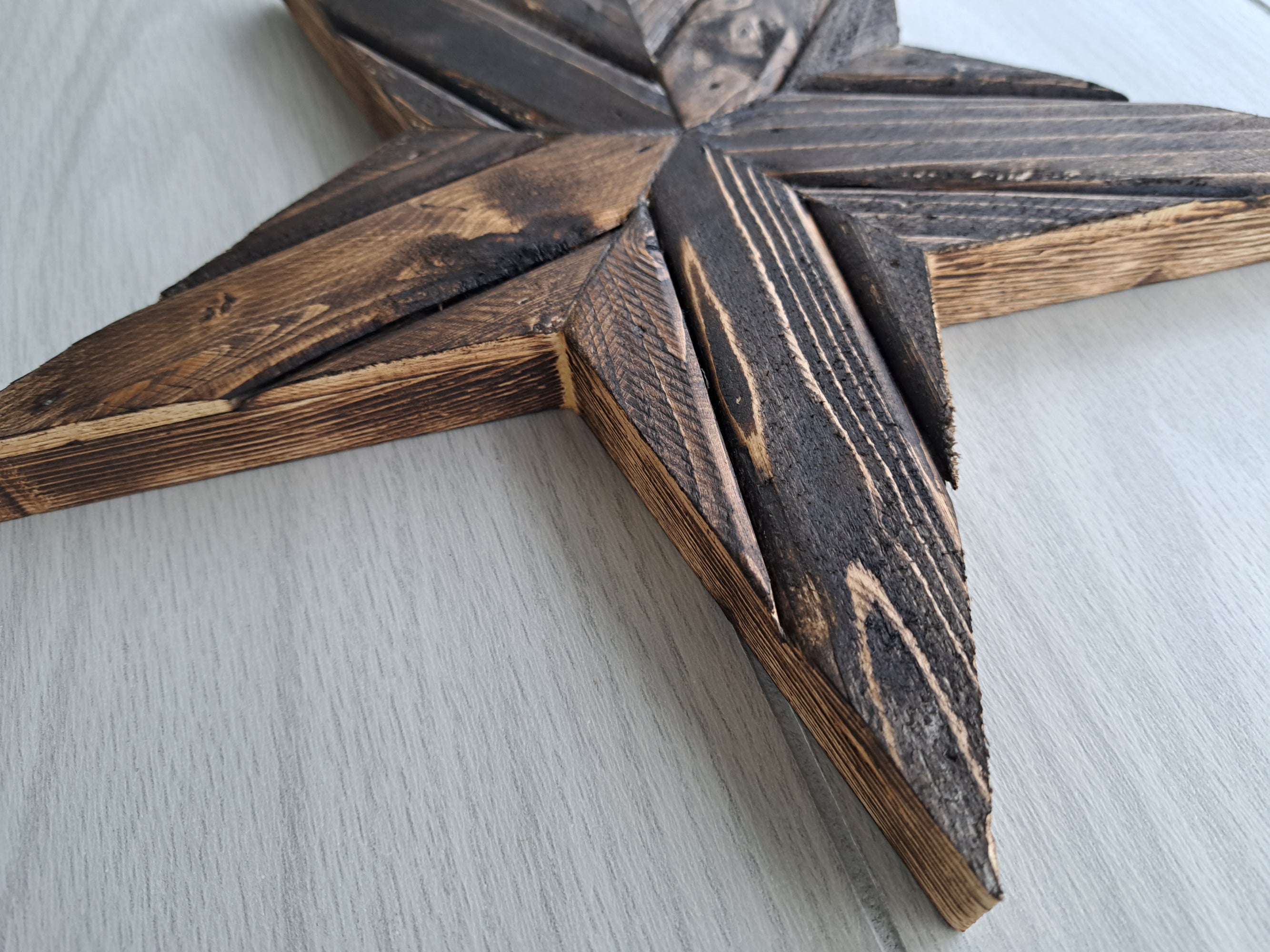
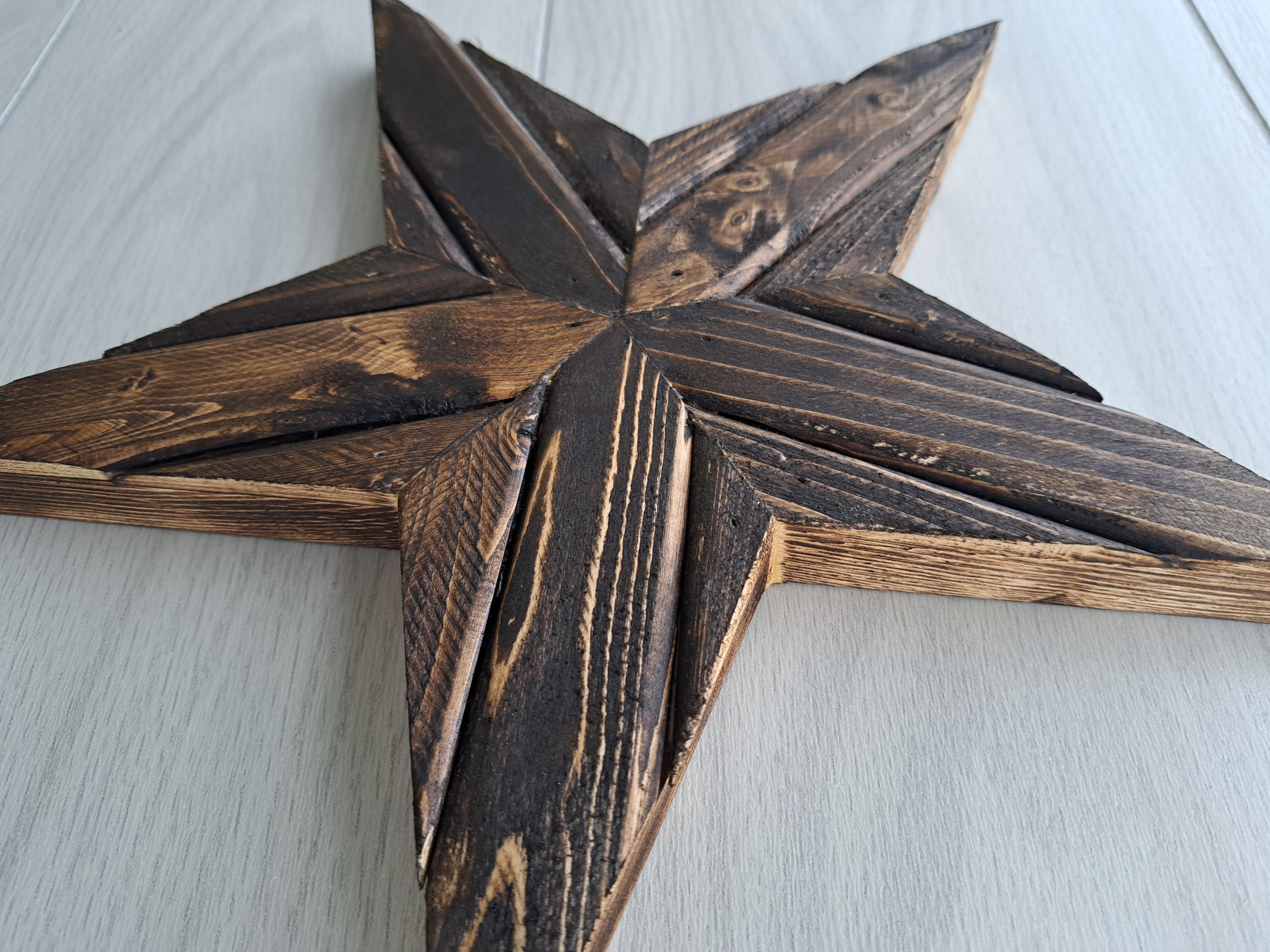
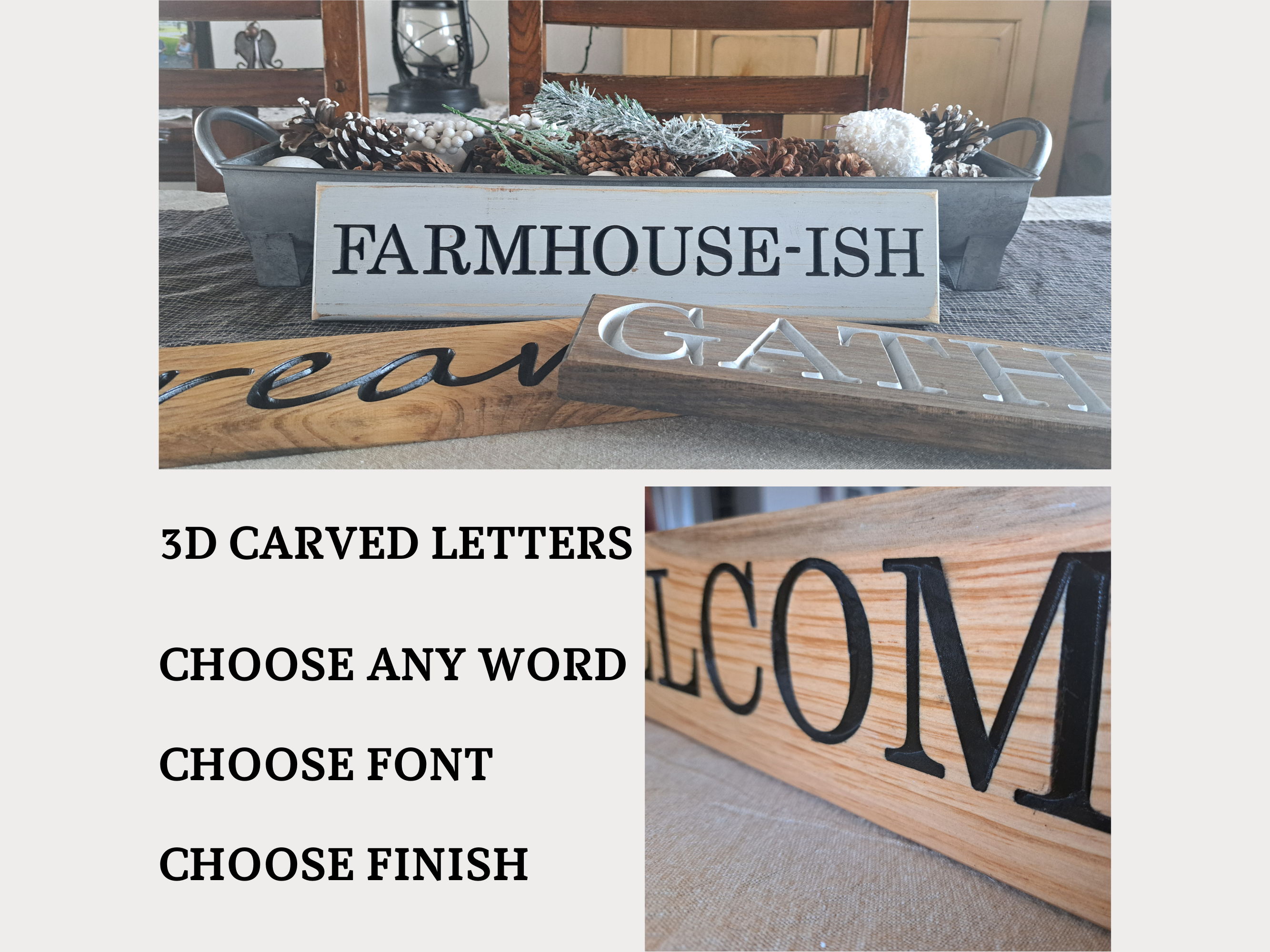
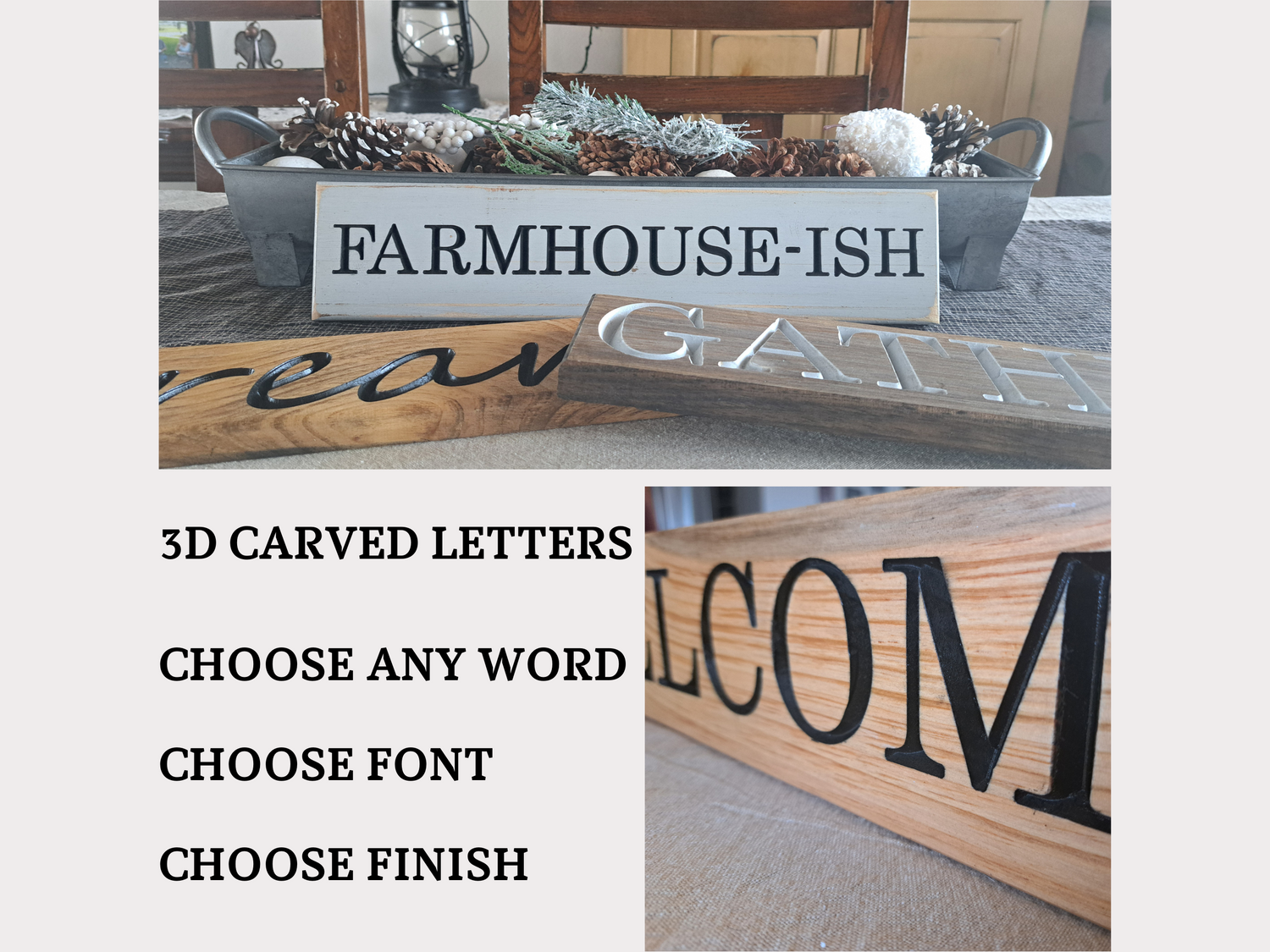
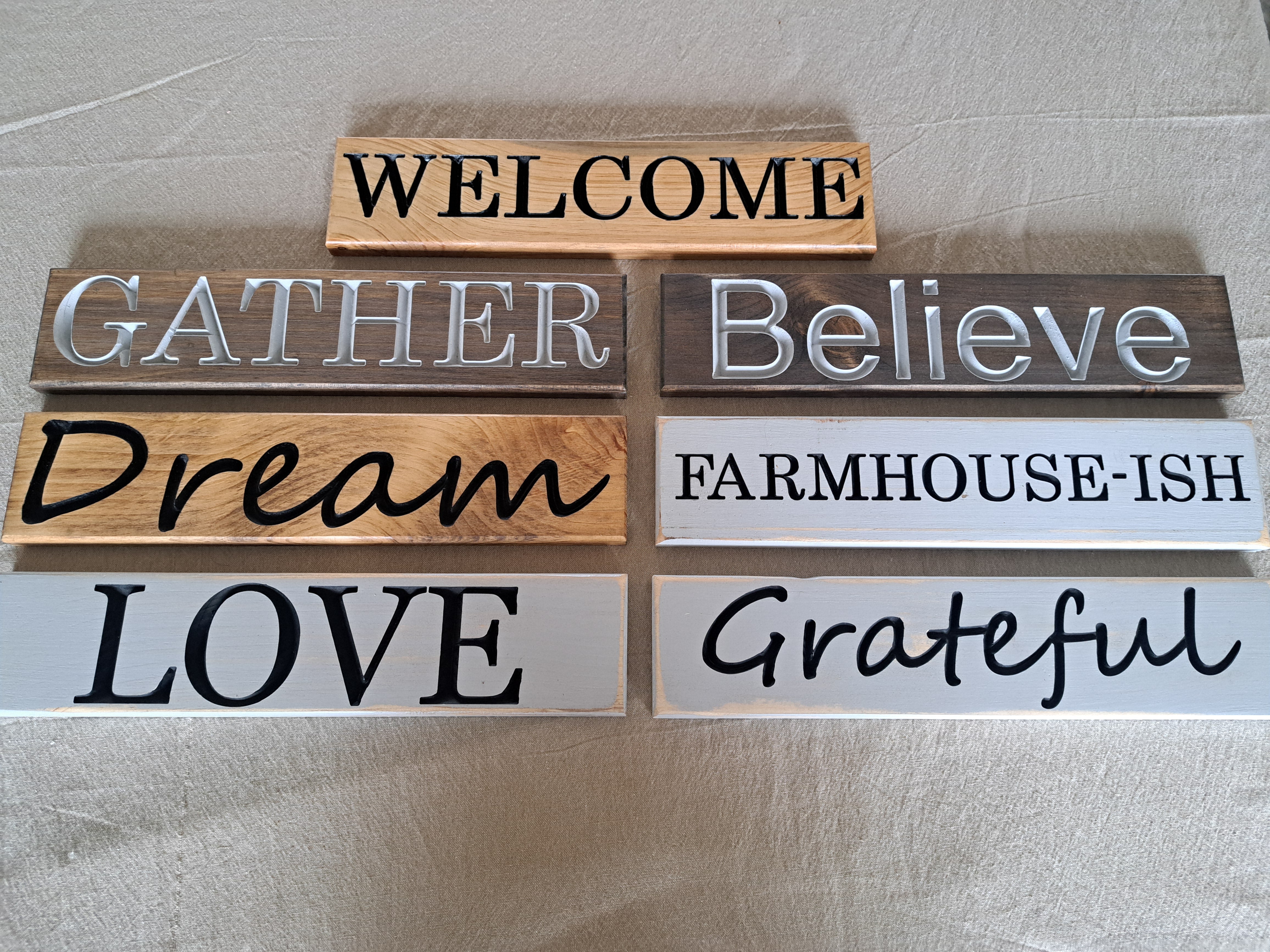
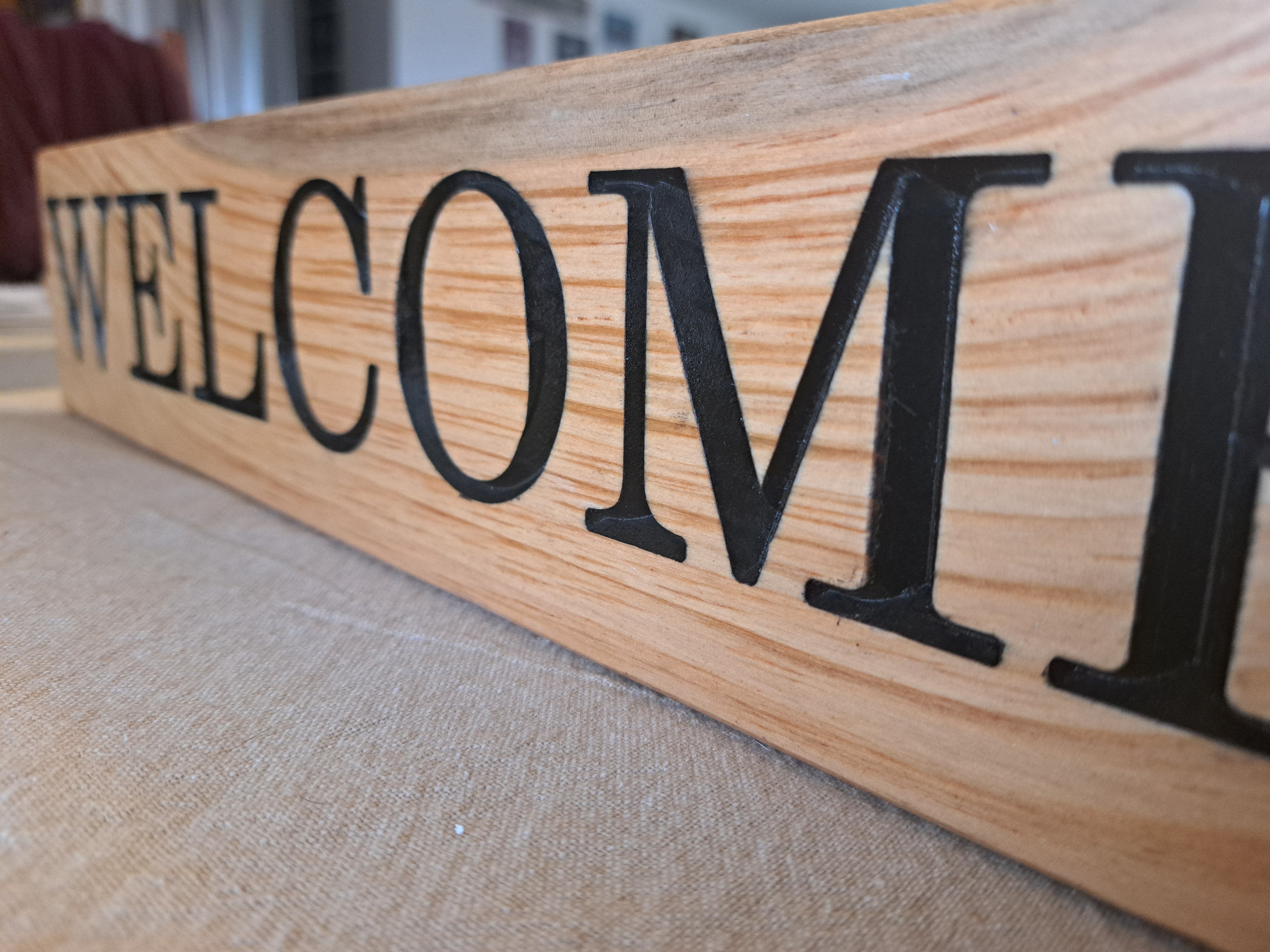
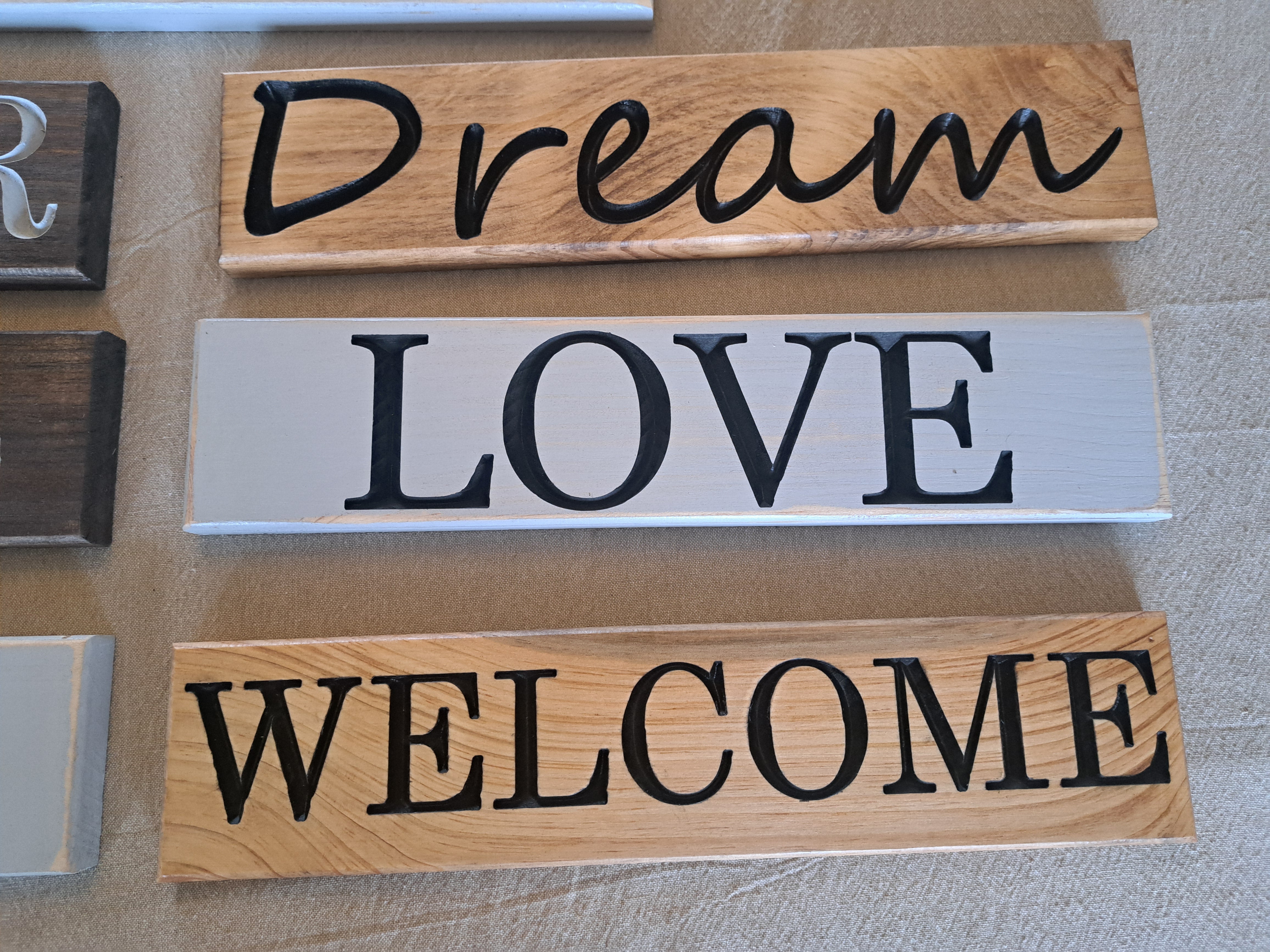
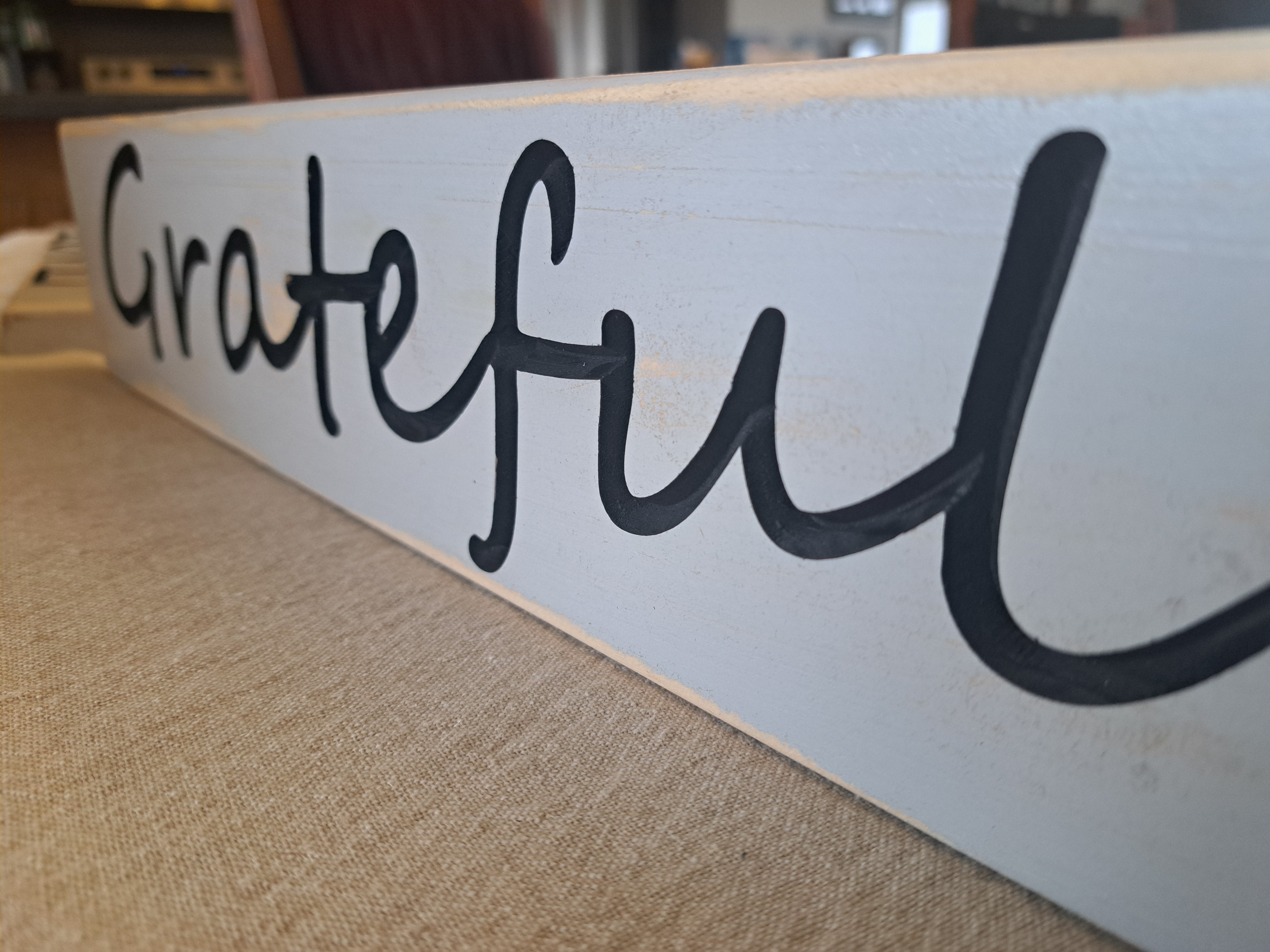
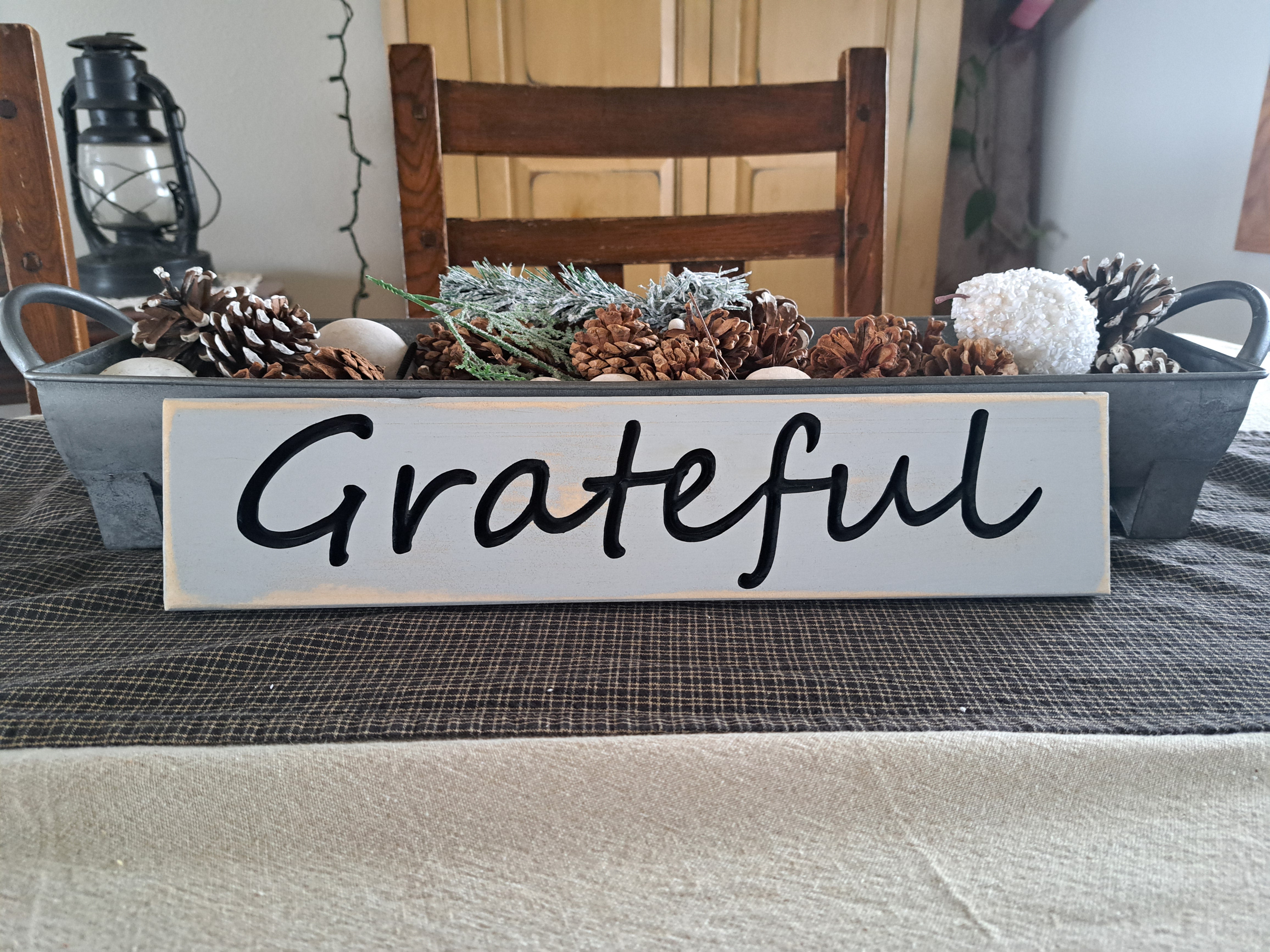
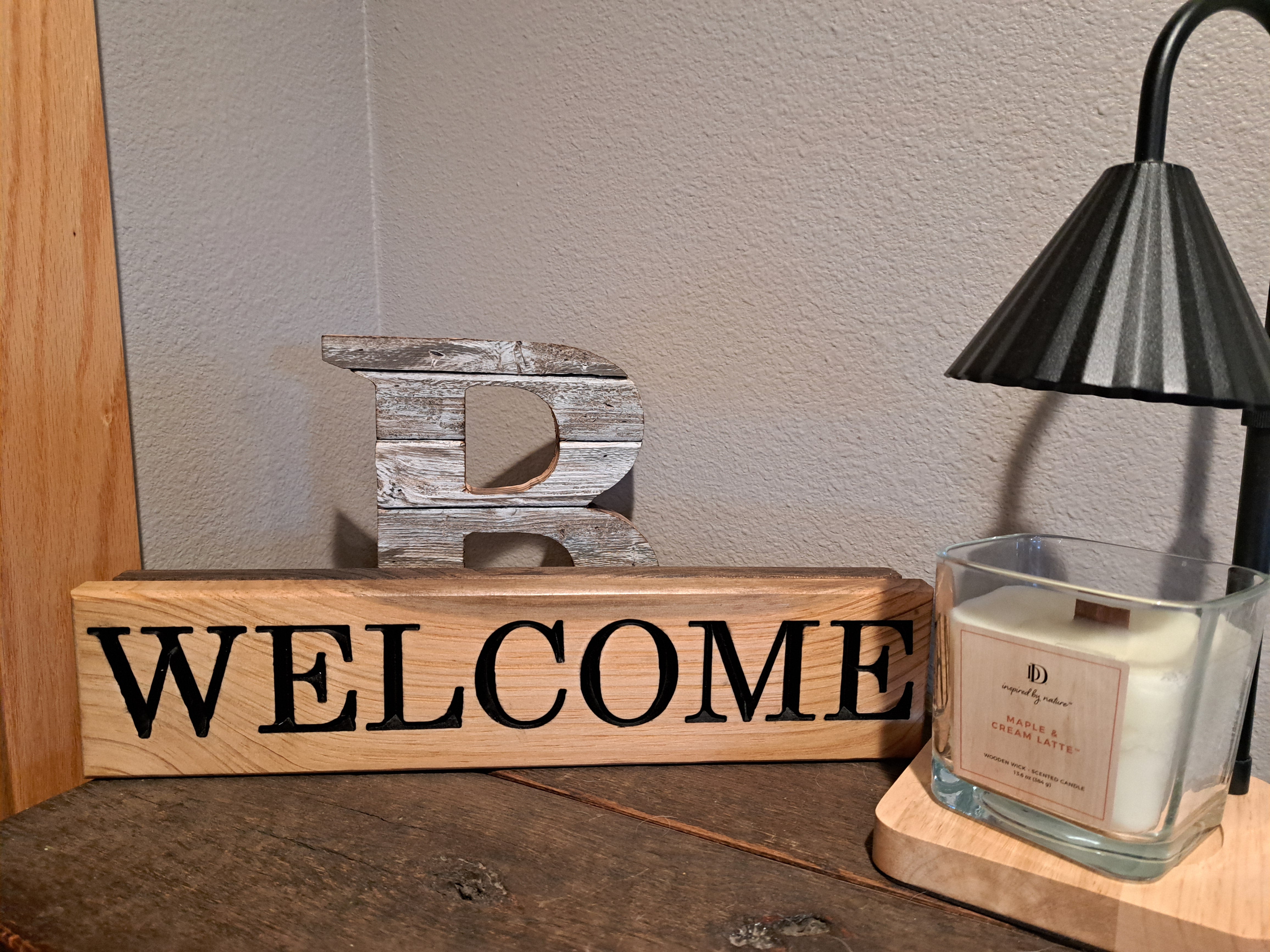
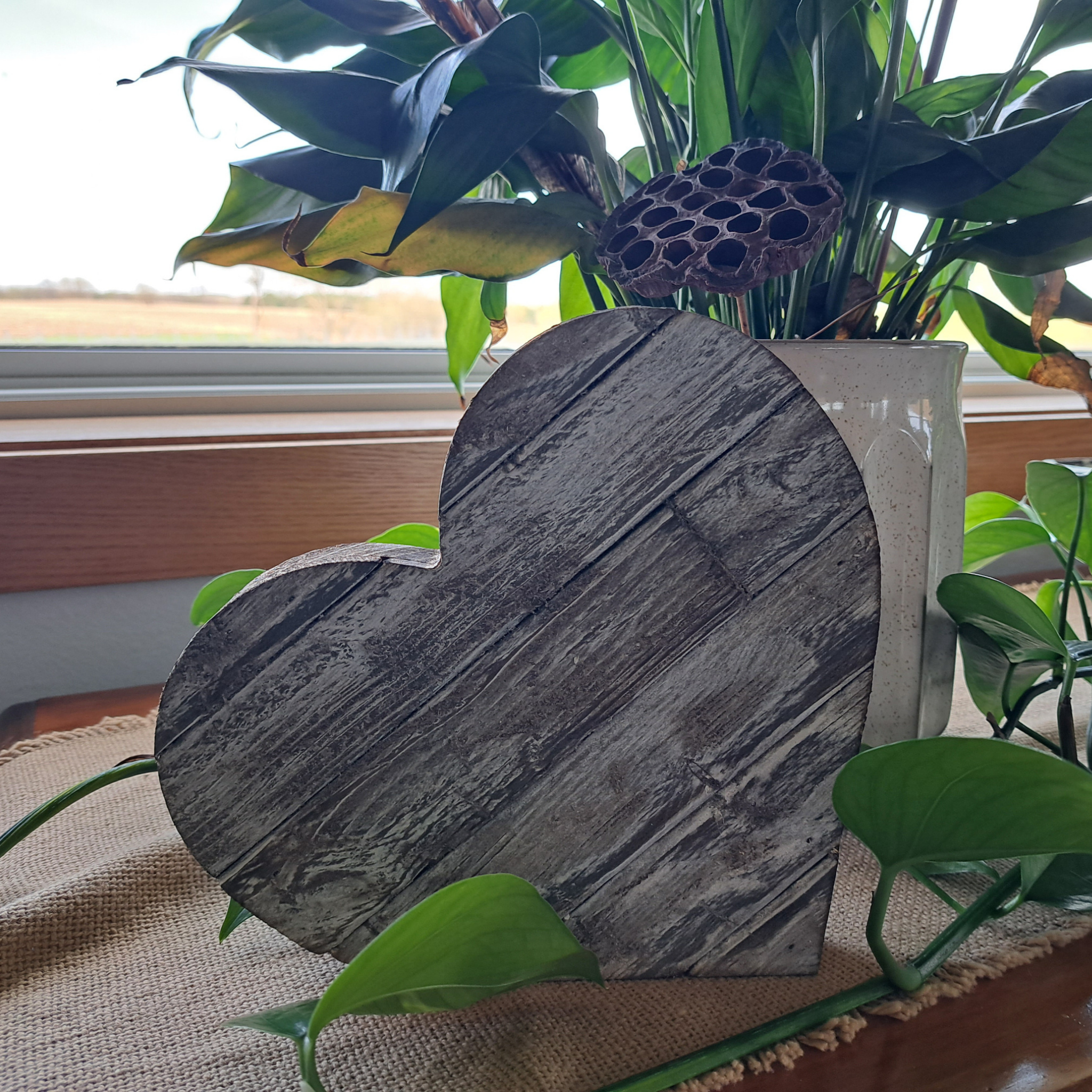
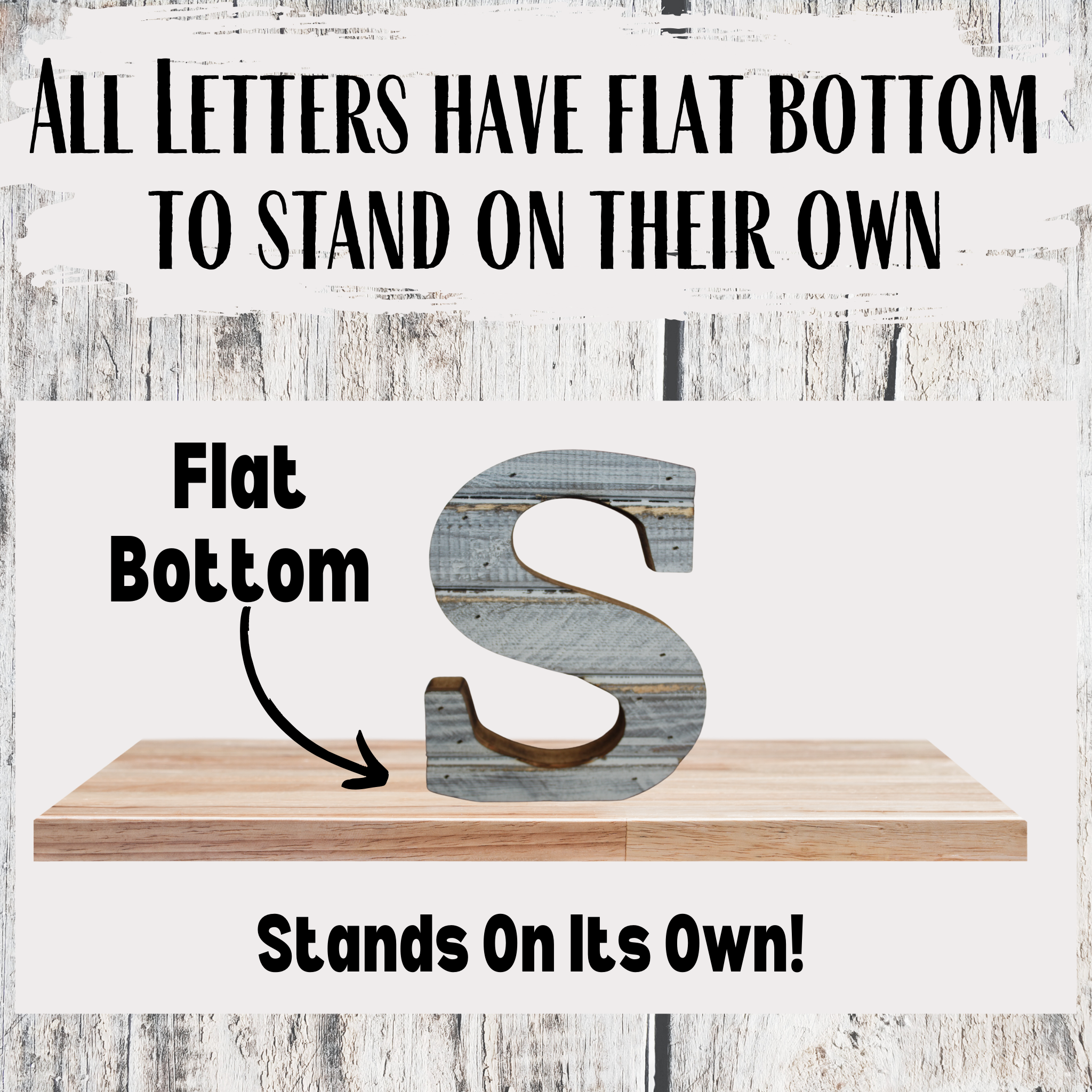
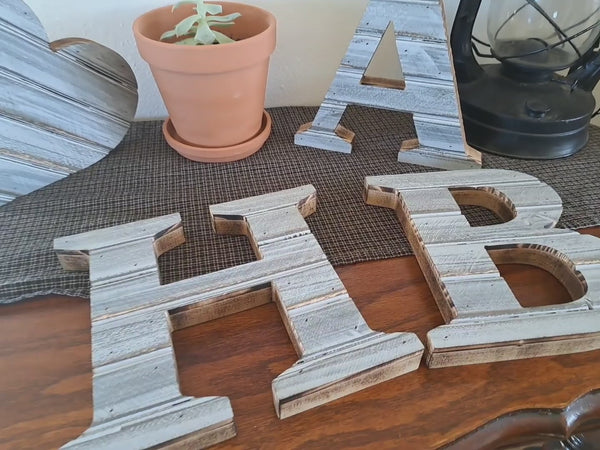
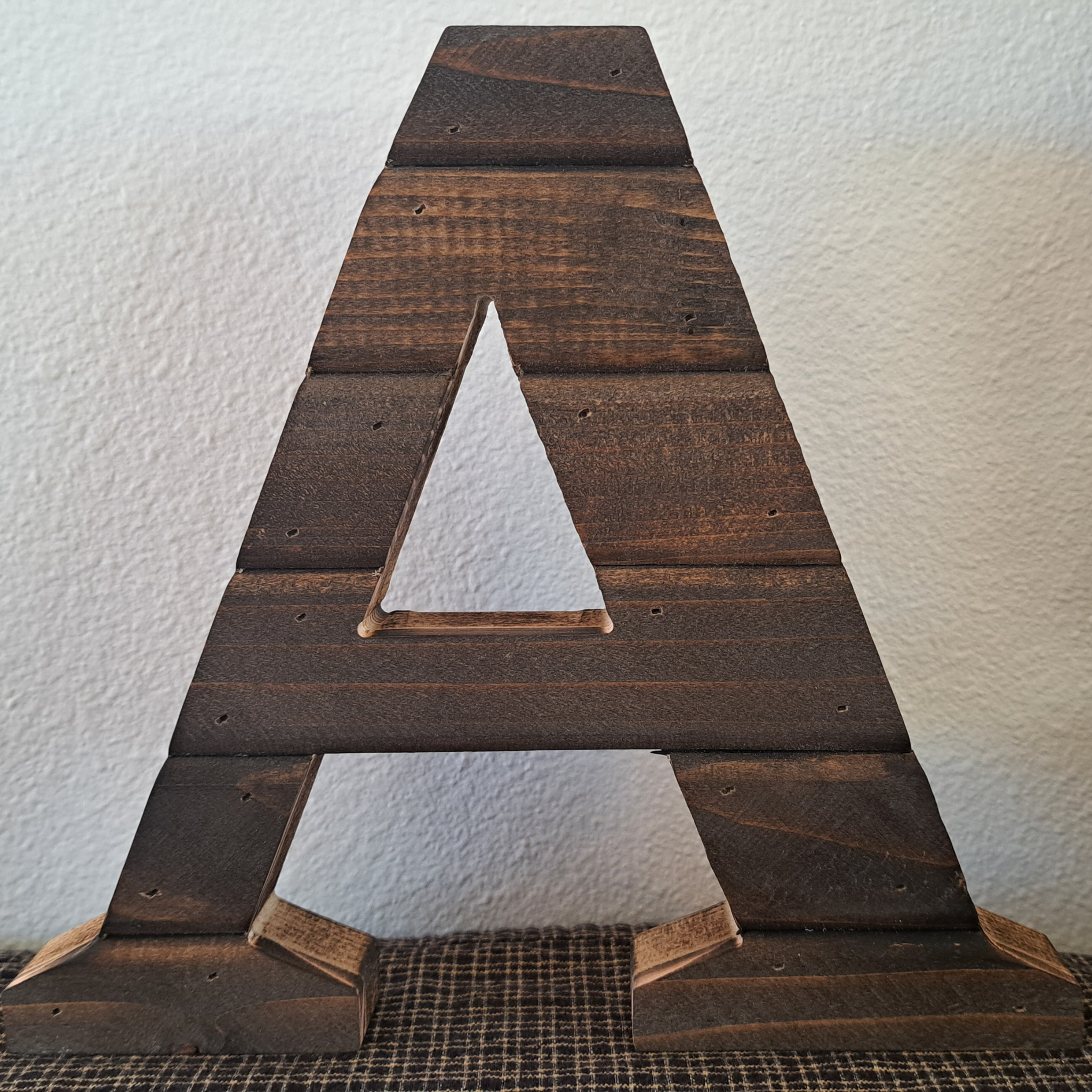
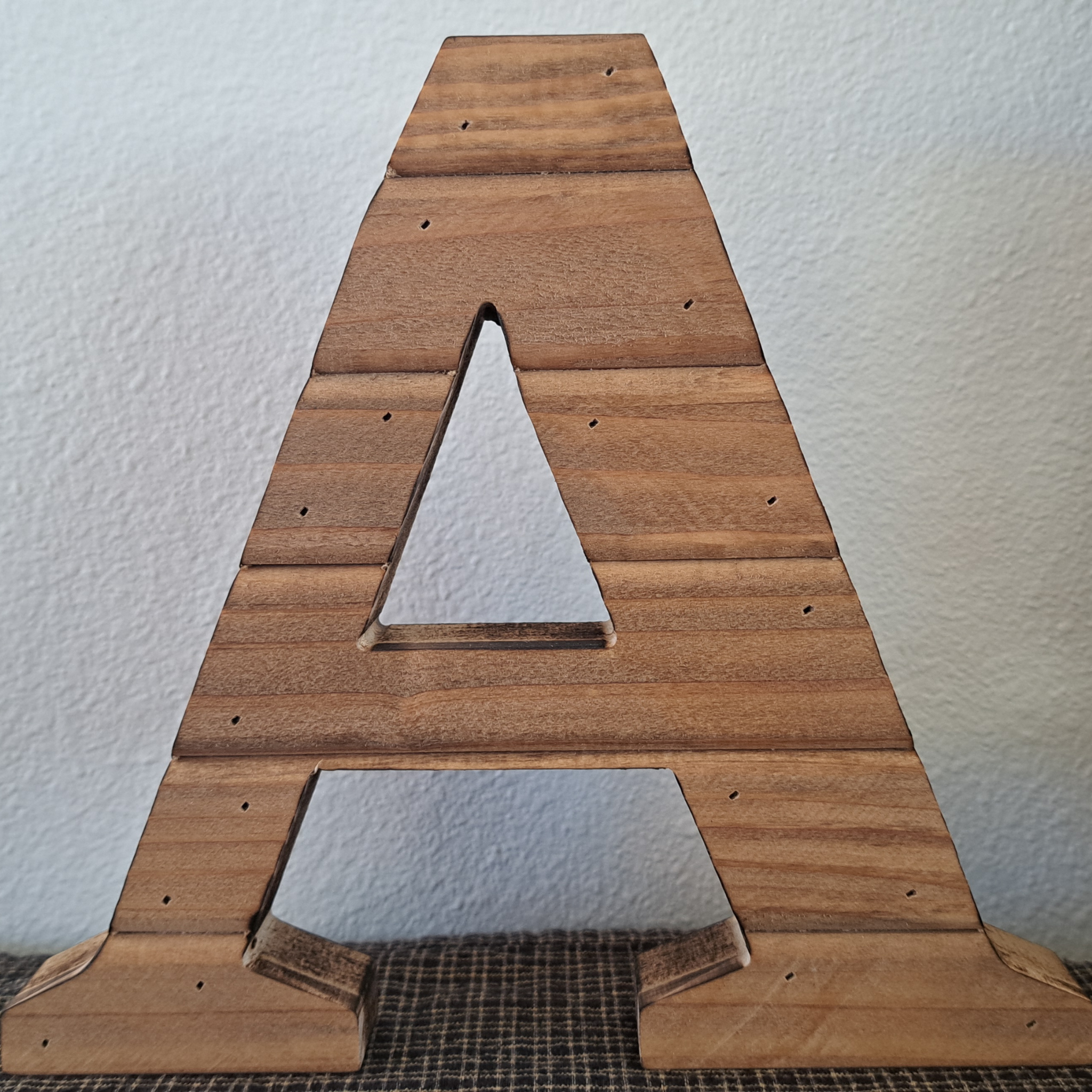
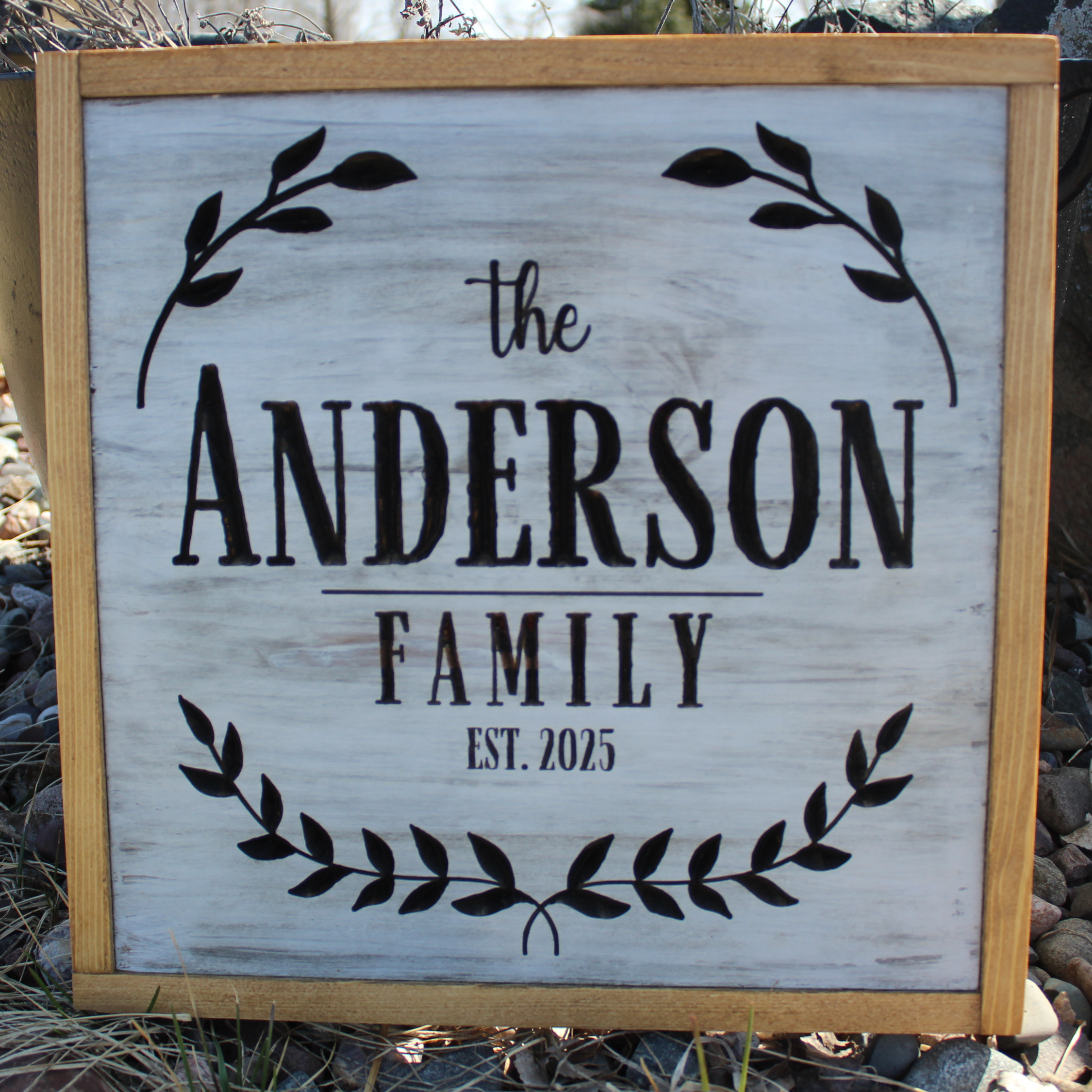
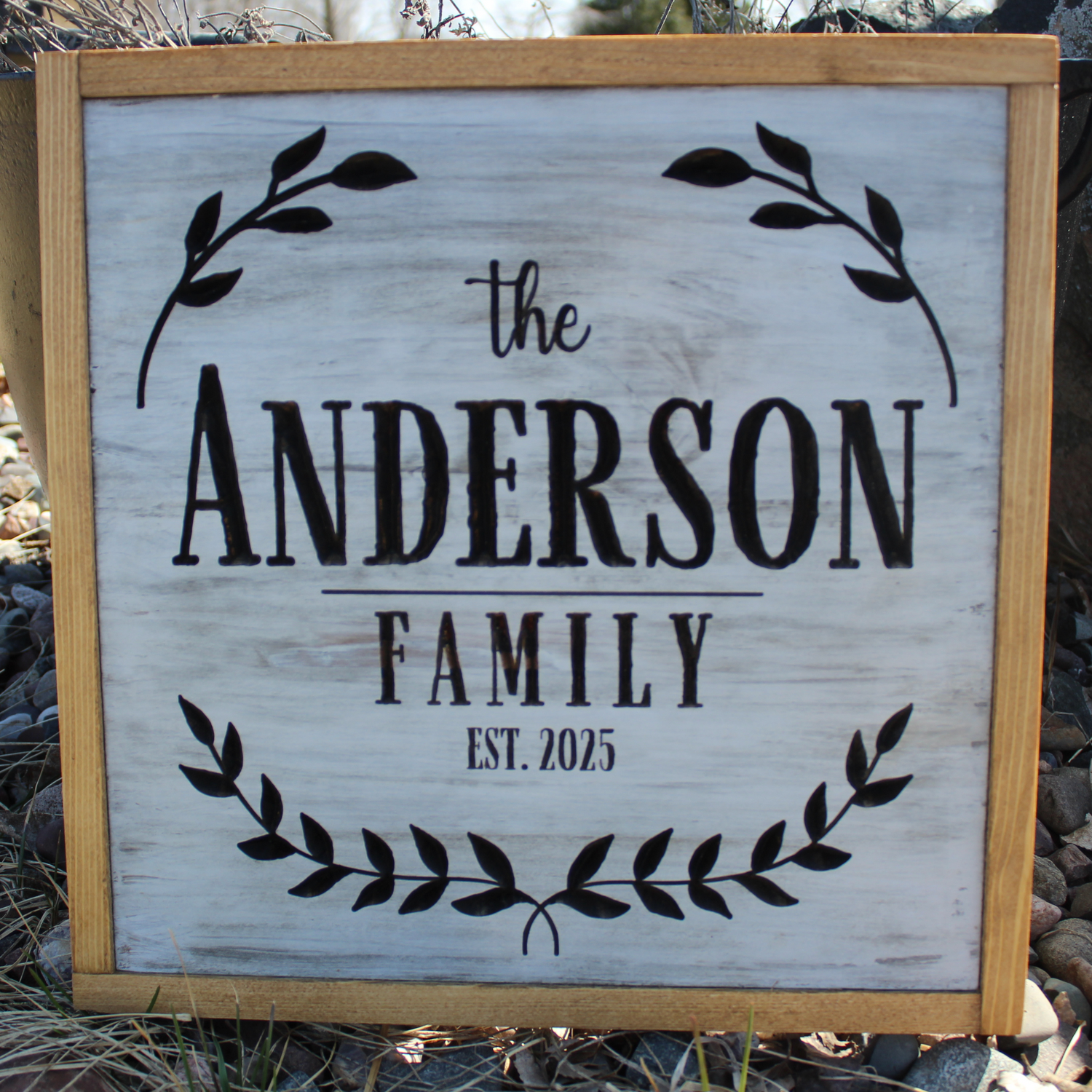
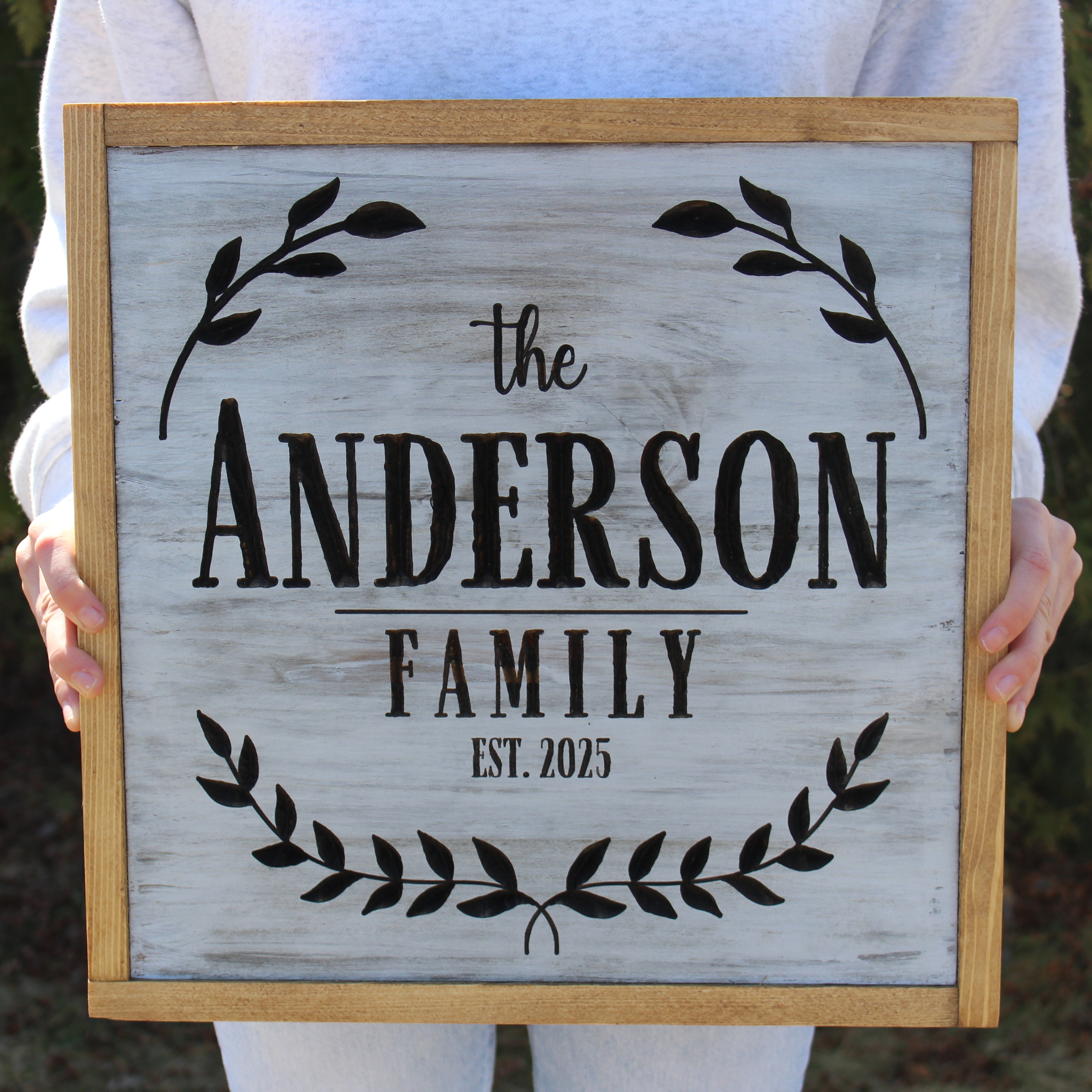
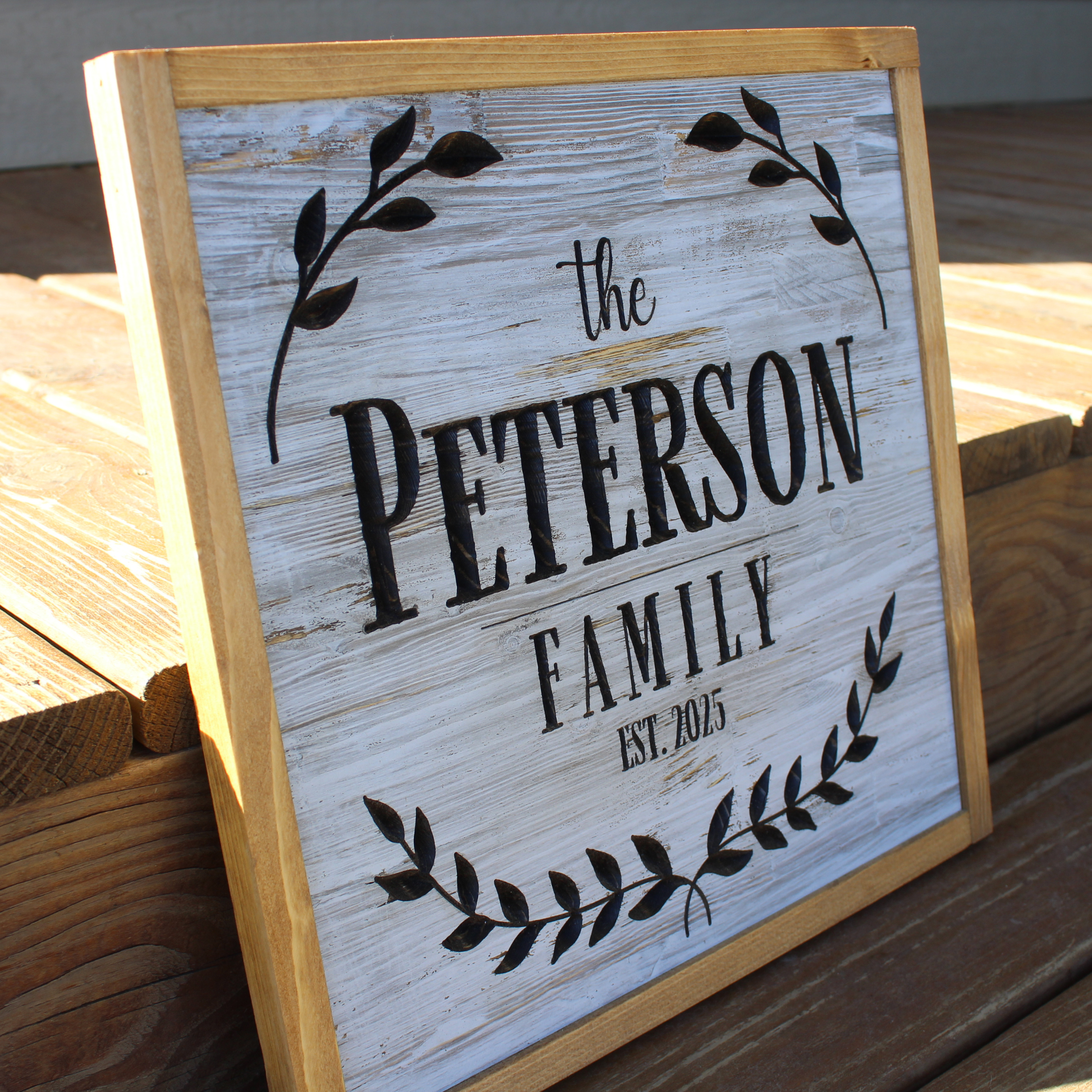
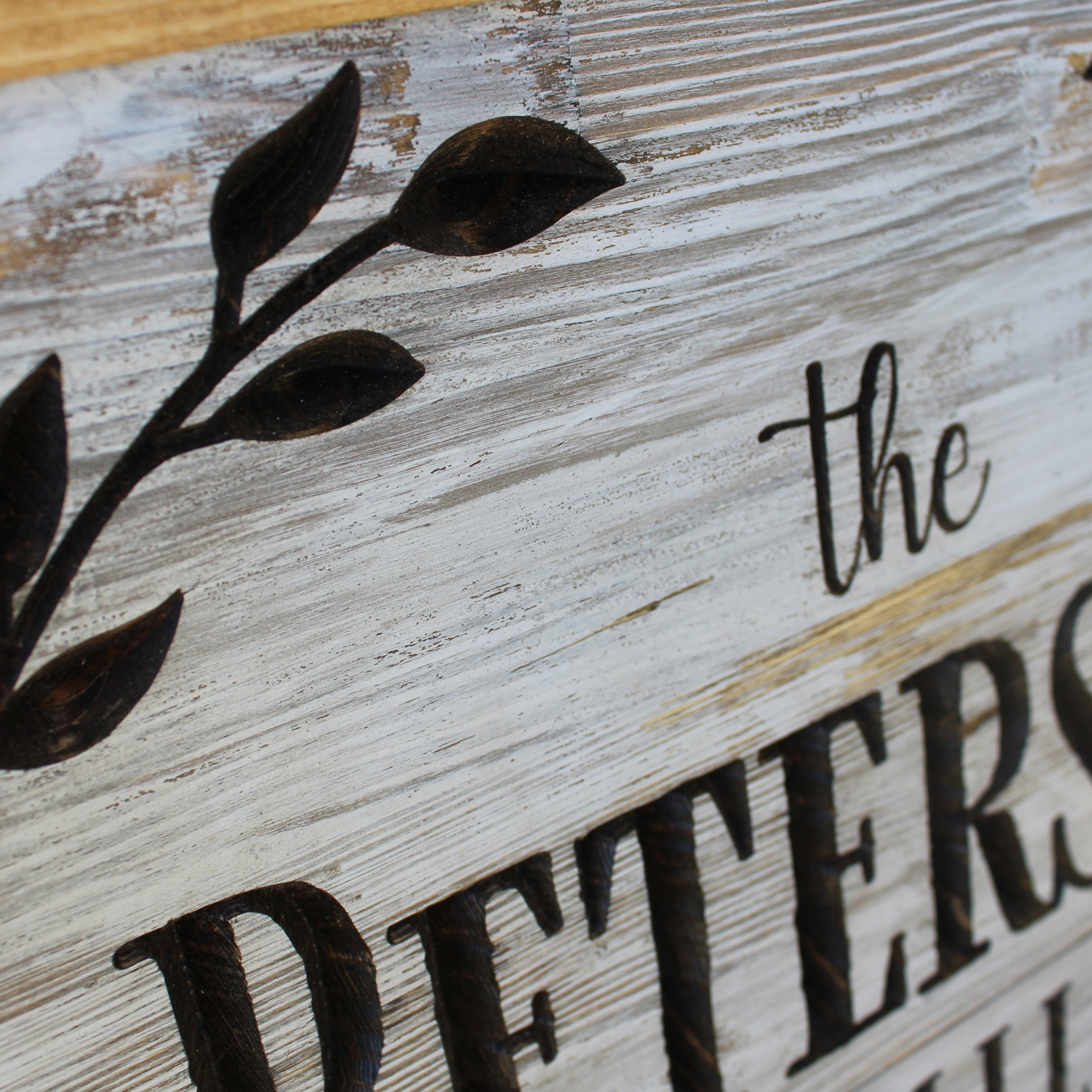
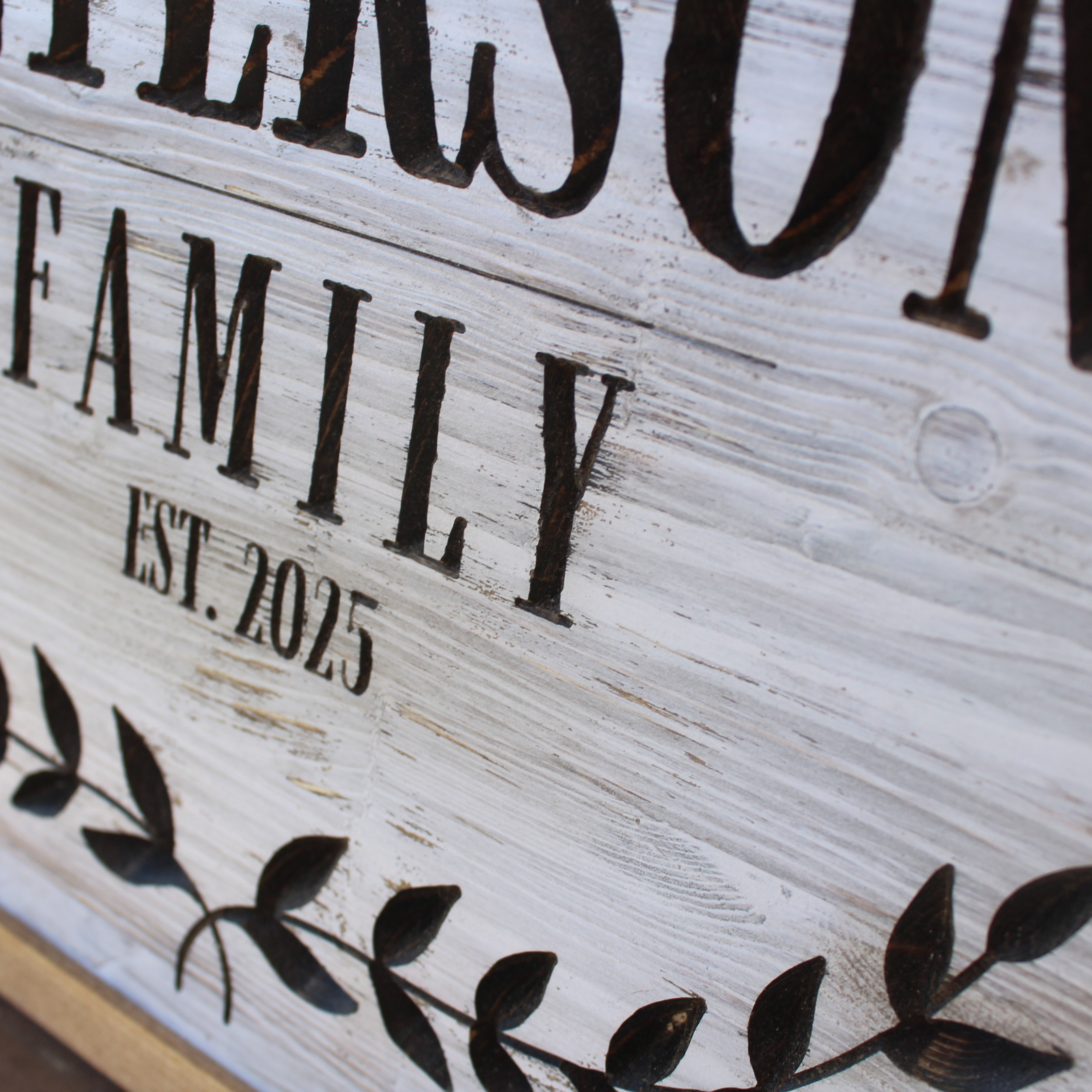
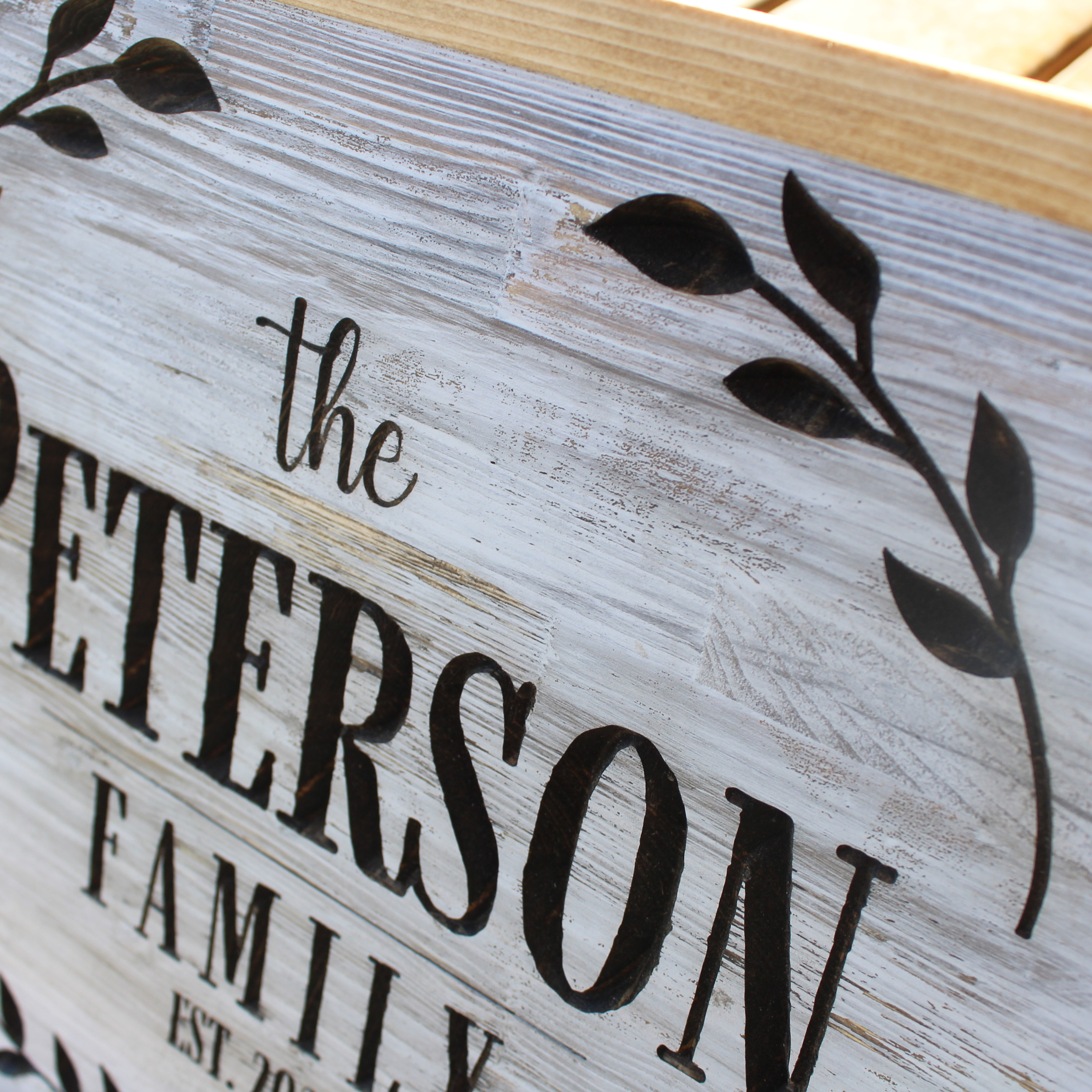
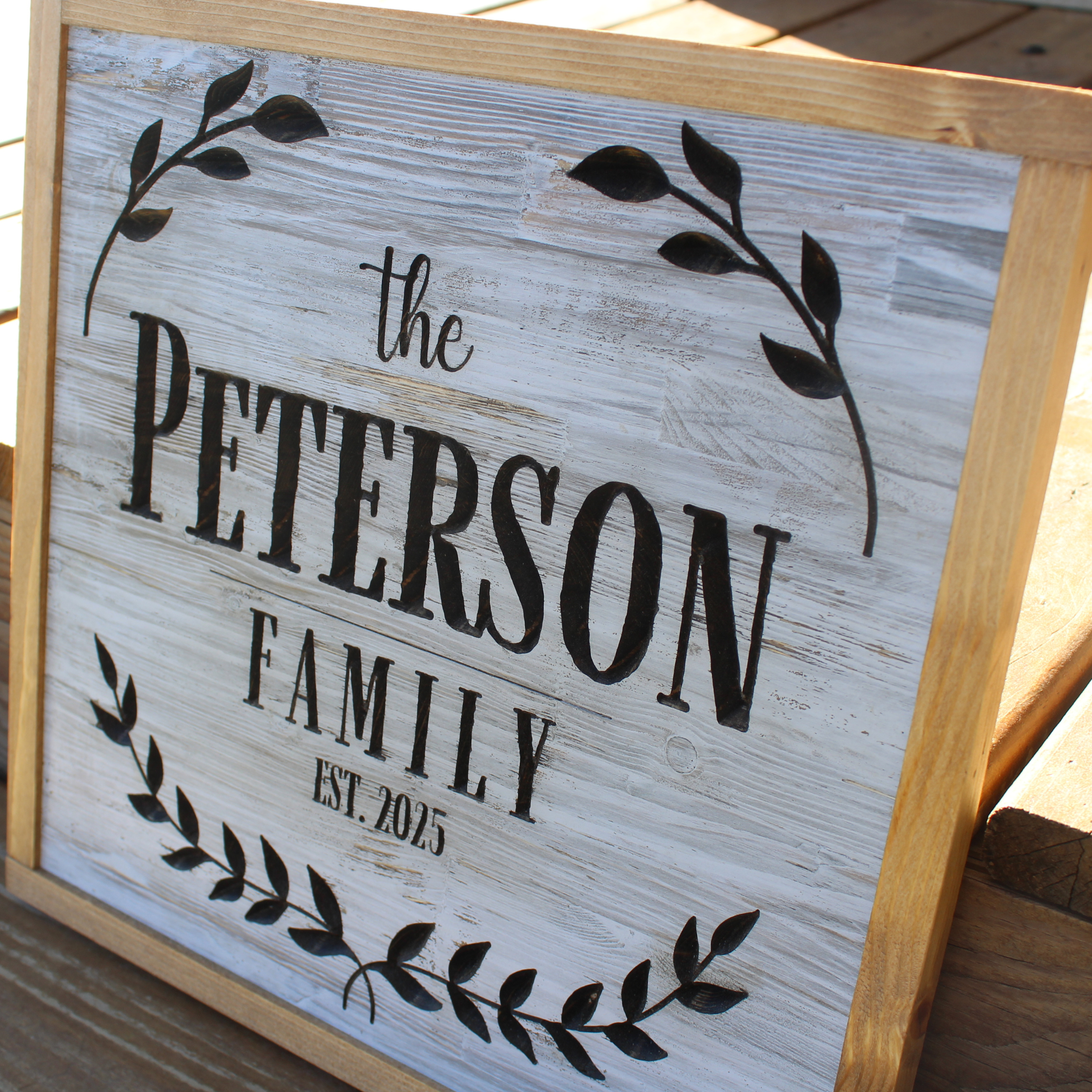
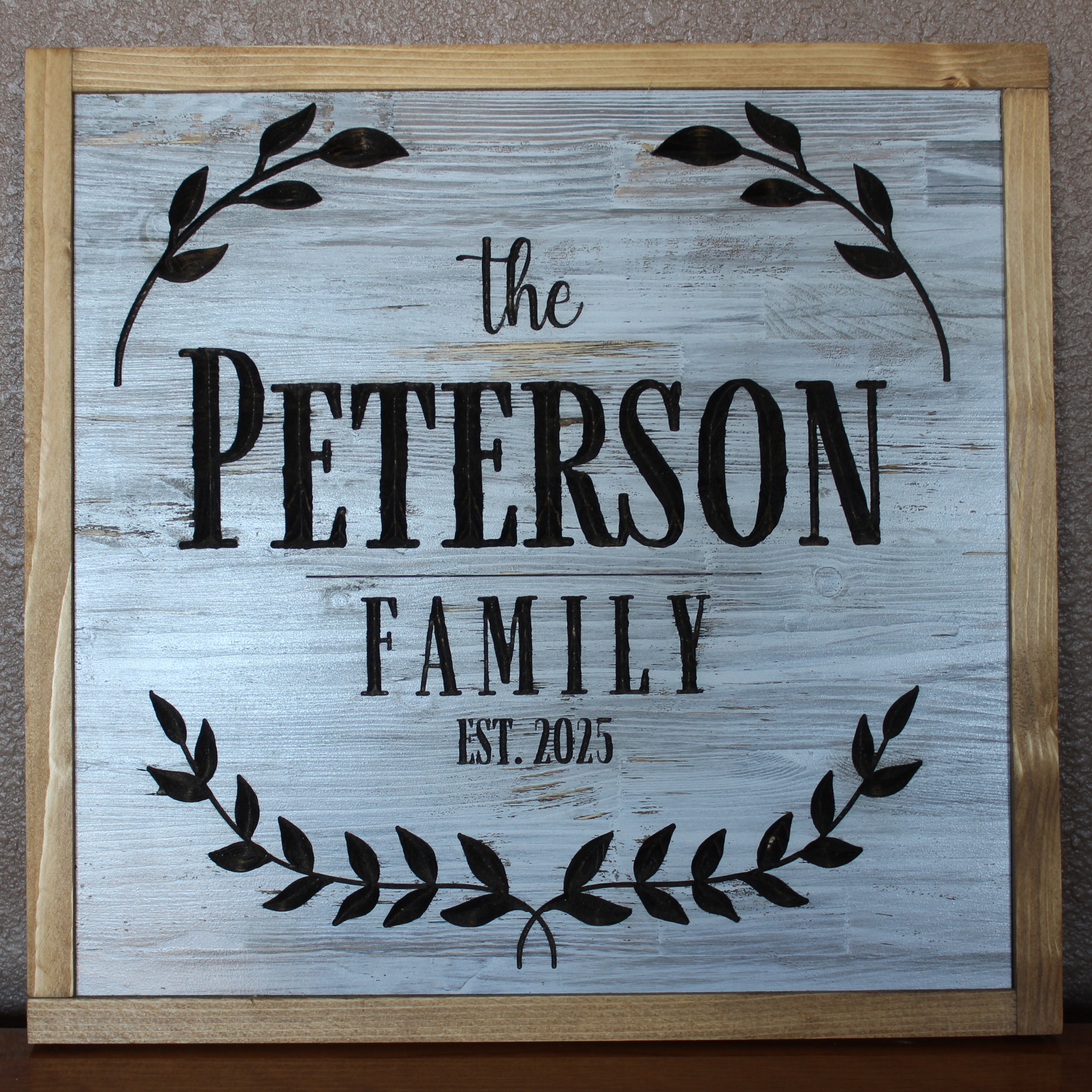
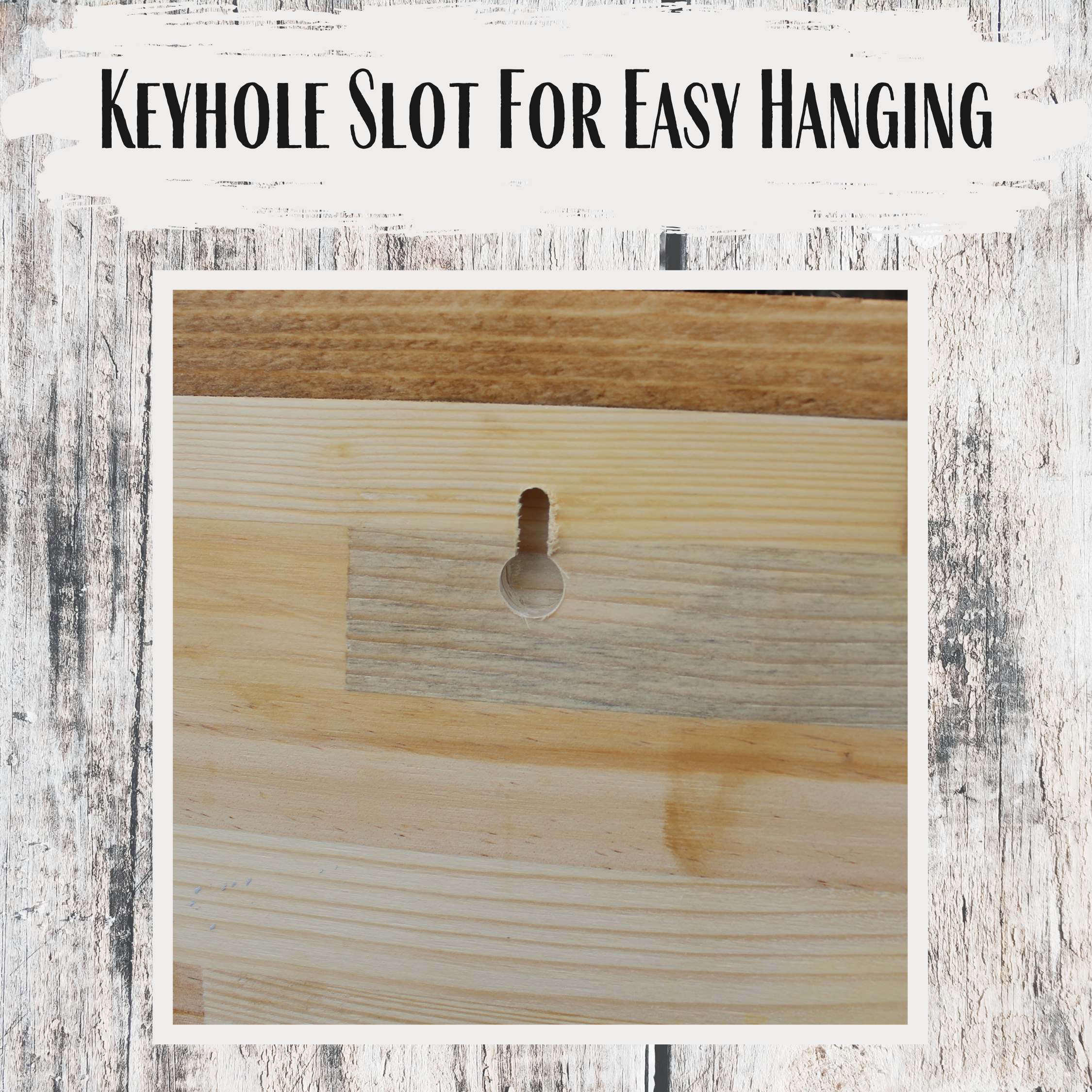
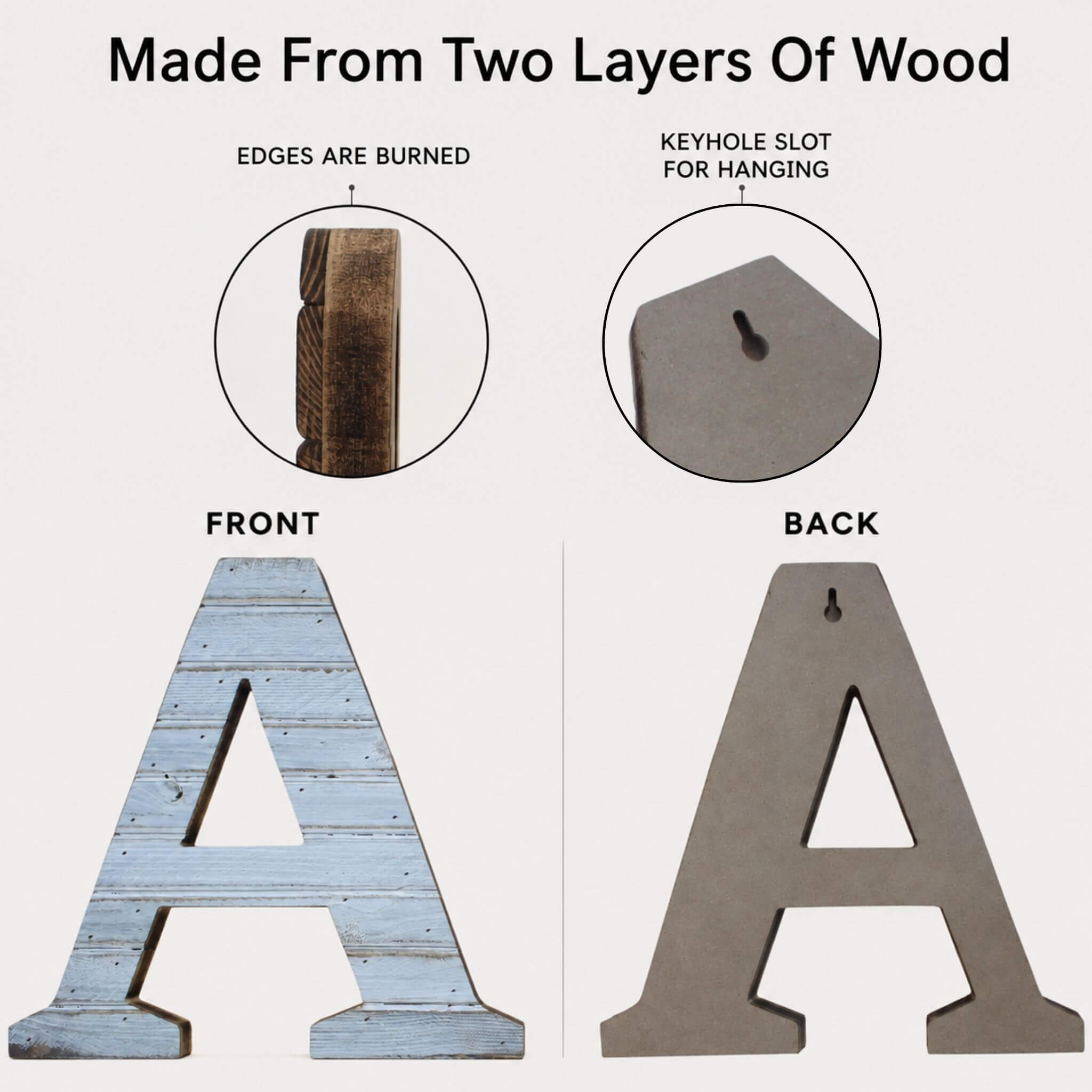
This belief is at the heart of everything I create at Rustic Brook Farm — handcrafted decor made from real wood, designed to bring meaning into everyday spaces.
If you’re ready to choose decor with intention, you’ll probably feel at home here.





Share and get 15% off!
Simply share this product on one of the following social networks and you will unlock 15% off!